


National, 27th May 2026: Bengaluru’s craft beer industry is witnessing a strong shift toward indigenous ingredients and hyperlocal brewing, with breweries increasingly experimenting with ragi, jowar, bajra, mahua, red rice, locally grown coffee and native botanicals to create distinctly Indian beer experiences.
Speaking at the ICC Brewery-Distillery Conclave 2026 in Bengaluru, Megha Dalimbe said the industry is increasingly exploring ingredients deeply rooted in local agriculture. She noted that Byg Brewski is preparing to launch a ragi-based beer while also working with coffee growers on coffee-infused brews. She explained that millet-based beers still require a portion of barley during fermentation to support the brewing process, making them a blend of traditional and innovative brewing techniques.
Industry players at the conclave observed that global beer trends are becoming increasingly hyperlocal, with consumers seeking flavours that reflect regional identity rather than standard international profiles. Brewers are now experimenting with millet beers, flower-infused brews, rice lagers and even “grut” beers, which use herbs and botanicals instead of imported hops.
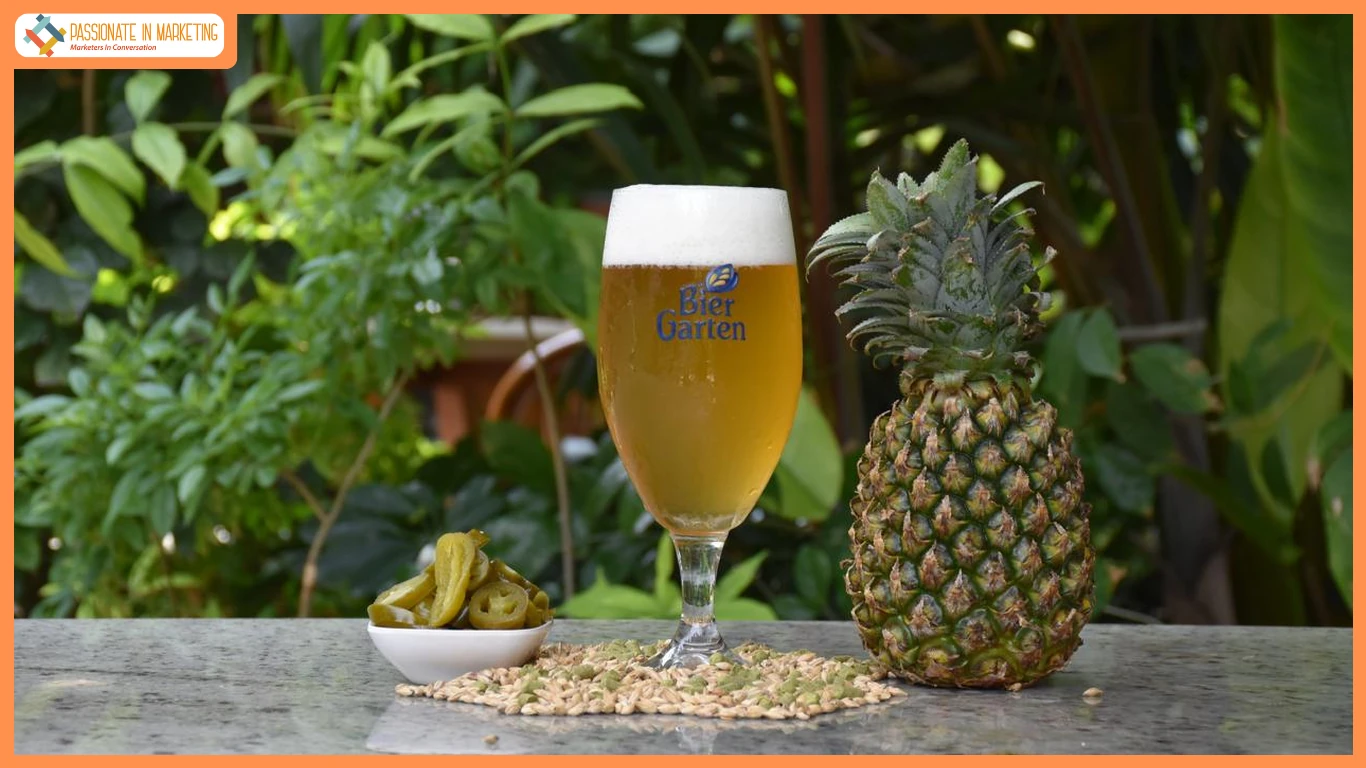
According to Lalit Kumar Vijay, breweries are using ingredients such as ragi, jowar, bajra, neem bark, lemongrass and flowers to create differentiated craft beer offerings. He highlighted that Biergarten’s mahua beer, launched earlier this year, received an overwhelming response and sold out quickly, reflecting growing consumer curiosity around Indian ingredients and experimental flavours.
The growing demand is being driven largely by Gen Z and millennial consumers, who are increasingly moving beyond conventional wheat beers and exploring IPAs, dark ales, specialty lagers and locally inspired craft brews.
Sharing insights on consumer behaviour during the conclave, Aadithya Eashwaran said wheat beers continue to dominate sales volumes, but interest in specialty beers and IPAs is rising steadily. He noted that the brewery’s Italian Pilsner received unexpectedly strong demand, signalling a broader shift in consumer preferences toward more diverse beer styles.
Beyond experimentation, the sector is also positioning itself around sustainability, ease of doing business and farmer participation. Karnataka’s excise reforms, including digital compliance systems and licensing simplification, are expected to support the growth of the state’s alco-bev ecosystem while encouraging sustainable manufacturing practices and brewery tourism.
Addressing the gathering, R. B. Timmapur highlighted the state government’s focus on technology-enabled regulation, policy reforms and improving the ease of doing business for breweries and alco-bev companies operating in Karnataka.
At the same conclave, Shivkumar Eashwaran stressed the importance of ensuring that farmers remain central to the industry’s growth story. Advocating a “Leave No Farmer Behind” approach, he said breweries sourcing barley, grains, fruits and agricultural produce locally could help strengthen rural livelihoods and create a more inclusive alco-bev value chain.
Industry experts believe the larger transformation underway in Bengaluru’s brewing ecosystem is not just about innovation in beer styles, but about building a uniquely Indian craft beer identity powered by local agriculture, regional ingredients and hyperlocal storytelling.

