


Banquette seating has long been rooted in hospitality. Restaurants, hotel lounges, airport terminals and cafés have used it to maximise space, shape atmosphere and encourage people to stay longer.
For years, the workplace observed this from a distance. Today, that separation has all but disappeared. The lines between work and hospitality have blurred, and offices have begun to soften. Desks are giving way to breakout spaces, while formal meeting rooms are increasingly balanced with lounges and informal zones. What began as a design shift has now become a behavioural one.
People no longer come into the office simply to sit at a desk-they come to collaborate, connect and engage. Banquette seating has evolved alongside this shift, emerging as an effective way to support it. Floor plans that once prioritised rows of task seating now resemble layered environments designed for multiple activities. Banquettes are no longer confined to dining areas; they are integrated into informal meeting spaces, collaborative zones, waiting areas and client-facing environments.
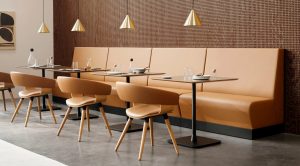
This shift is particularly visible in India’s major workplace hubs-from Bengaluru and Hyderabad to Mumbai and NCR-where hybrid work models are reshaping how offices are used. As organisations rethink the role of the workplace, there is a growing emphasis on spaces that bring people together rather than simply accommodate them. Banquette seating fits naturally into this evolution, offering both functionality and a sense of place.
What sets banquette seating apart is its permanence. Unlike loose furniture, it signals intent. It tells people that a space has been deliberately designed to be used, not just filled. It can transform underutilised corners into purposeful zones, bringing life to areas that might otherwise be overlooked. While it often requires a higher upfront investment than standalone furniture, the return is equally significant-it elevates perception, encourages use and reflects a clear commitment to both employees and visitors.
Yet, banquette seating is still frequently misunderstood. Too often, it is treated as a joinery add-on rather than as furniture that demands ergonomic and functional precision. When poorly executed, the issues are immediate: incorrect seat depths, uncomfortable back heights, lack of ergonomic support, and missing elements such as power, lighting and connectivity.
The key lies in asking the right questions early. Who will use the space? How long will they sit there? Is it client-facing or internal? Will it support meetings, social interaction, focused work-or all three? Does it require integrated technology? Without these considerations, even the most visually appealing banquette will struggle to perform.
Longevity is another defining factor. A well-built banquette frame can outlast its upholstery by many years, and this should inform its design. Features such as removable cushions, reupholstery options and timeless aesthetics allow spaces to evolve without complete replacement. This approach supports sustainability in a practical way-accepting wear as inevitable while designing for renewal rather than disposal.
Visual longevity matters as well. A banquette should reflect a brand today without becoming dated tomorrow. Achieving that balance requires restraint, clarity and an understanding of how workplaces evolve. Good design does not chase trends; it creates a foundation that can adapt.
Ultimately, banquette seating offers more than just an alternative to the task chair. It adds depth, flexibility and character to a workplace, transforming spaces into environments that encourage interaction and collaboration. As organisations increasingly recognise that engagement drives performance, the role of thoughtfully designed, people-centric spaces becomes critical. Banquette seating is a clear expression of that shift—where design is not just about how a space looks, but how effectively it works.
About the Author
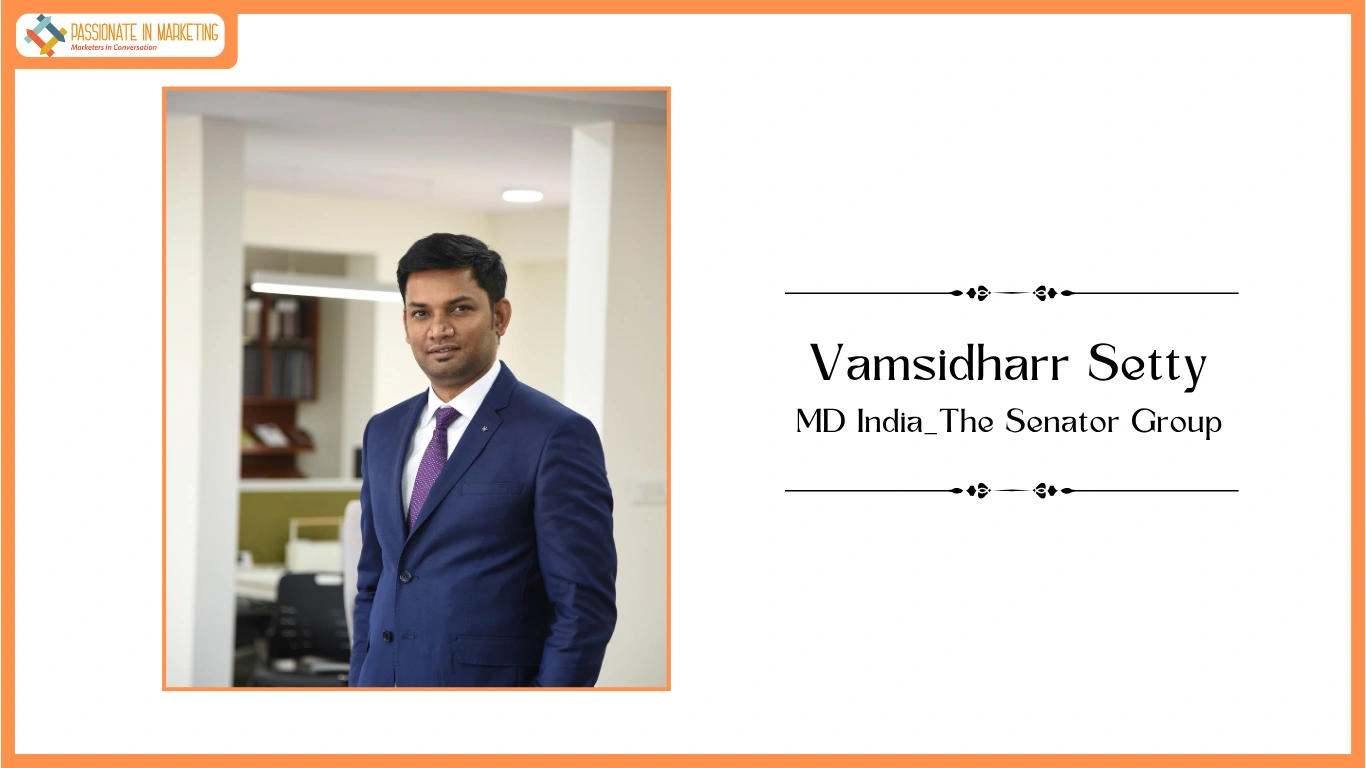
Vamsidharr Setty is the Managing Director India, The Senator Group, one of the world’s largest office furniture manufacturers. He has more than 21 years of leadership in Sales, Manufacturing, Marketing &Tech (in Global Office Furniture & Tech Industries). Under the leadership of Vamsidharr Setty, The Senator Group India, since setting up its first showroom at Bangalore in 2018 with two premium and high-quality brands Senator and Allermuir, has grown to become a name to reckon with in the Indian Office Furniture Industry.

