


When a lot of automation is used, everyone hits the same wall: the IP address gets blocked, requests go more slowly, and the success rate goes down as the workload increases. It’s annoying, especially since the script worked fine the week before.
In this case, unlimited rotating proxies are useful. They take care of the two things that scaling automation needs most: a steady stream of new IPs and bandwidth that doesn’t run out in the middle of a job. When combined, that combination turns a setup that hardly sustains growth into one that benefits from it.
What Unlimited Rotating Proxies Are and How They Work
The name covers two things in one product. The term rotating implies that the IP is not static, but it varies either per request or per time interval. Unlimited implies that there is no limit to the amount of traffic you can transfer over them.
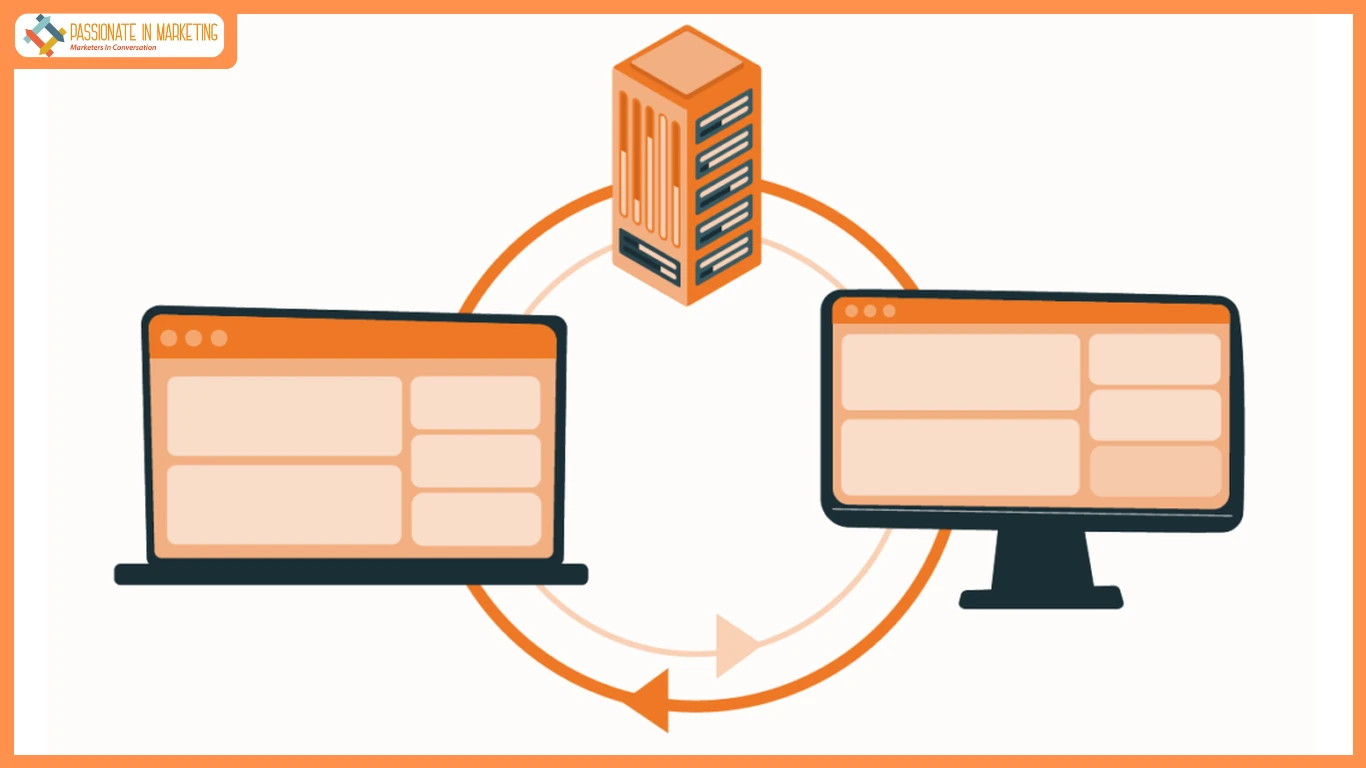
Rotating proxies operate on a pool of IPs. When your script makes a request, the proxy server chooses an IP and directs the traffic over it. The second request is assigned a new IP. The majority of the providers allow you to decide the frequency of the rotation.
The unlimited part is about billing, not tech. You do not pay per gigabyte but a flat fee. You send whatever you wish without any form of tracking usage, but fair use regulations still tend to be relevant.
The two features address various issues. Rotation prevents being flagged on the target side. Unlimited bandwidth maintains the same cost on your part. In the case of high-volume automation, such a combination eliminates the majority of friction.
Why Rotation Helps Scalable Automation Run More Smoothly
More requests, more targets, and more opportunities to be blocked result from growing automation. Rotation is what keeps that growth from breaking the setup.
The primary advantage is a reduced number of IP bans. Majority of sites block IPs that issue excessive requests within a limited time span, and rotation distributes the load to a number of IPs such that no one appears suspicious. That is all that will maintain high success rates and reduce retries, which will save time and resources as the workload increases.
Geo-targeting is also easier with rotation. Jobs that require automation and require data in particular countries or cities can draw from the global pool without anyone manually handling IPs. And since every request receives a new IP, the data is cleaner – fewer fake pages, fewer restricted results, fewer blocked out blocks.
The other victory is less manual labor. Without rotation, you would be changing IPs or adding additional logic to deal with bans. Rotation removes that, so the team can work on the project rather than looking after the proxy layer.
Key Benefits of Unlimited Rotating Proxies for Large Workloads
The requirements for a proxy plan change due to heavy workloads. Traffic becomes more consistent, volume increases, and minor inefficiencies begin to cost money. Unlimited rotating proxies work well because they remove the limits that often cause big projects to slow down.
Predictable Costs at High Volume
With flat pricing, it is easy to budget. The bill remains the same whether the workload is 1 TB or 50 TB in a month. It is difficult to achieve that level of cost certainty on metered plans once a certain volume level has been reached.
No Throttling Under Load
Slowdowns on plans with hidden caps are usually caused by heavy automation. Unlimited rotating proxies, with honest fair usage policies, maintain performance constant even when the workload is at full blast for days.
A Bigger Effective IP Pool
Switching across a large pool spreads requests widely enough that target sites hardly ever receive the same IP. This is more important than raw pool size on large workloads, as it is the reuse patterns that are flagged.
Room to Add New Targets
Scaling usually means new sites, new regions, or more frequent checks. Unlimited rotating plans can take up that growth without a plan upgrade or rewriting the automation logic.
Smoother Performance During Peak Periods
Peaks are nearly always present with large workloads – launch days, sales windows, or end-of-quarter pulls. Unlimited rotation does not need the normal scramble to top up data or open additional threads.
Easier Long-Term Maintenance
Big projects outlive their original setups. The flat, unlimited plan with constant rotation is simpler to manage than a stack of metered plans. Such simplicity comes in handy whenever a new person is recruited to the team.
Common Automation Tasks That Benefit From Rotation
It has an impact on these tasks.
- Scraping at scale: scraping data on e-commerce, travel, and news platforms.
- SEO and SERP monitoring: execute rank checks on large sets of keywords and in different areas without blocking.
- Price monitoring: checking thousands of SKUs across retailers with a new IP required each refresh.
- Ad verification: loading ads in various locations to verify placement and detect fraud.
- Social media automation: control numerous accounts that are not connected to the same IP.
- Sneaker, ticket, and dropbots: traffic jams during release times when blocks spoil success chances.
- Market analysis and collecting data: retrieval of massive data sets from various sources in recurrent cycles.
- IP and brand protection: searching the marketplaces without being blocked in the middle of the scan.
- AI and LLM data collection: collection of large amounts of public data, in which rotation stabilizes the pipeline.
- QA and uptime testing: testing the behavior of websites in regions and IPs.
What to Check Before Choosing a Rotating Proxy Provider
Begin with the IP pool. The size is important, however, the quality and the frequency of the pool refresh are also important. A well-maintained, clean pool maintains low bans and is more effective on hard targets. Verify the pool size and proxy type – residential, datacenter, ISP, or mobile.
Next is rotation control. Some providers rotate on every request by default, while others let you set static or custom intervals. Make sure the plan supports the rotation your workflow needs.
Pricing should be clear, not just cheap. Hidden thread limits, vague fair usage rules, or per-port restrictions can turn a low price into a costly setup. Plans like ProxyWing’s pricing lay out what’s included up front, which makes comparing options easier.
Test before you commit. Use a trial and run the proxies on your real targets. Speed tests can not tell you much, success rates on your actual use case do.
Finally, check support before you need it. Ask a question, read the most recent reviews, and observe how prompt and helpful the response is. On long projects, support quality decides how stressful problems become.
Conclusion
Unlimited rotating proxies help in automation because of the traffic volume and ban risk. Rotation maintains the same success rates, and unlimited bandwidth maintains the same costs when the workload is increased.
The correct strategy is just a matter of details: the quality of the pool, the ability to control the rotation, pricing, and support that will help when something goes wrong. Get those right and the proxy layer stops being a bottleneck.
**’The opinions expressed in the article are solely the author’s and don’t reflect the opinions or beliefs of the portal’**

