


Staying healthy no longer depends only on gym memberships or strict routines. Today, many people want practical tools that fit into their home, schedule, and daily habits. Intelligent wellness devices support that shift by tracking health signals, offering feedback, and helping people make better choices before small issues become bigger concerns while staying consistent with realistic wellness goals every day.
How Wellness Technology Has Changed Daily Health
Wellness technology has moved far beyond basic step counters. Modern devices now use biosensors, AI, and connected apps to monitor sleep, stress, heart rate, movement, posture, and recovery. This makes personal health data easier to understand and act on.
The same shift is also influencing home wellness products, including sleep trackers, air quality monitors, smart scales, and premium massage chairs across the USA. These tools are designed to support comfort, recovery, and better awareness in everyday life.
Key Devices Supporting a Healthier Routine
Wearable health devices are among the most common tools. Smartwatches and fitness bands can track sleep quality, blood oxygen, heart rhythm, stress levels, and activity patterns. Instead of only showing numbers, many devices explain what those numbers mean and suggest practical next steps.
Other smart wellness tools work quietly in the background. Smart scales track body composition over time. Posture trainers remind users to sit better during long workdays. Air quality monitors help identify indoor conditions that may affect sleep or breathing comfort. Together, these devices create simple feedback loops that make healthier habits easier to maintain.
Making the Most of Smart Wellness Tools
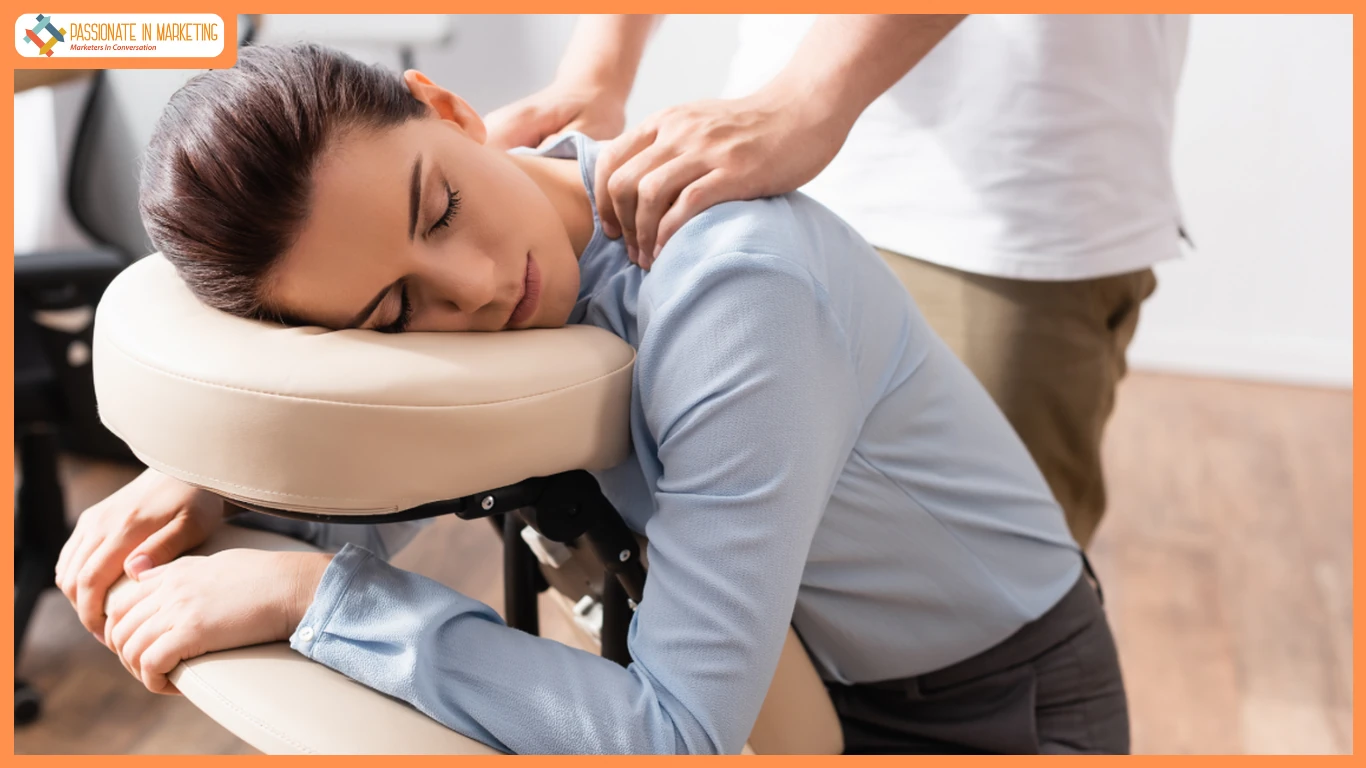
The best approach is to choose devices based on clear goals. If sleep is the issue, start with a sleep tracker. If stress is the concern, consider biofeedback tools. If recovery matters, a smart massage chair may be useful.
Adoption is also growing in healthcare. A 2025 report found that over 50% of hospitals use smart wellness solutions, showing stronger confidence in connected health tools.
Final Thoughts
Intelligent wellness devices are practical tools for building healthier routines. They help people sleep better, move more, manage stress, and understand their bodies more clearly. The key is choosing the right device, using the data consistently, and building habits that last. When used with realistic goals, these tools can turn small daily improvements into long-term lifestyle changes. They also make wellness feel more personal, measurable, and easier to manage at home.
**’The opinions expressed in the article are solely the author’s and don’t reflect the opinions or beliefs of the portal’**

