


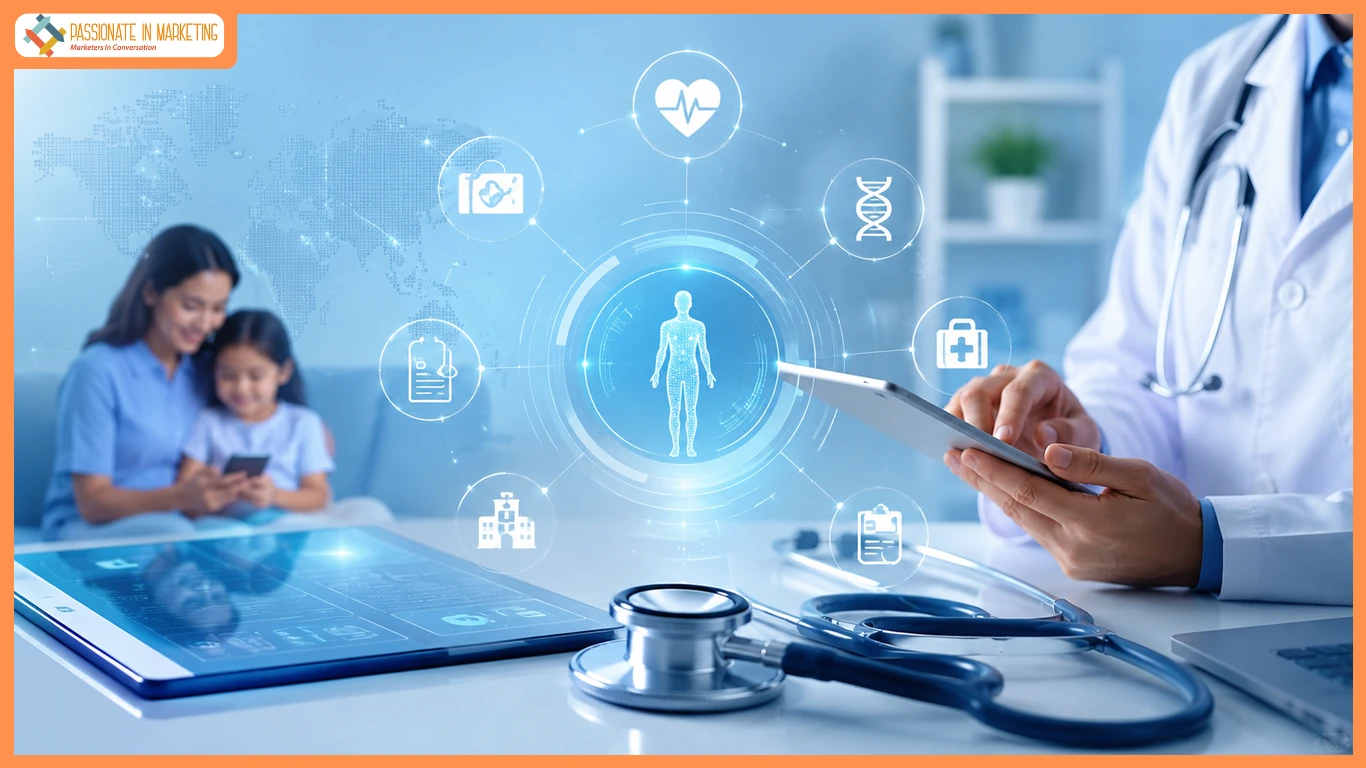
Digital technologies are transforming healthcare by improving diagnosis, communication, and access to care. They help healthcare providers deliver more accurate, connected, and patient-centred services while addressing growing demand, despite ongoing challenges around privacy and equitable access.
Understanding the Role of Digital Healthcare in Modern Patient Care
Digital healthcare improves access to medical services through telemedicine, electronic health records, wearable devices, and AI-powered tools. These technologies support remote care, enhance diagnosis, improve chronic disease management, and help patients take a more active role in their health.
Expanding Access Through Telehealth and Virtual Consultations
Telehealth brings healthcare directly to patients through virtual consultations, improving access for rural communities and people with mobility or transportation challenges. It supports remote diagnosis, follow-up care, mental health services, and prescription management while reducing costs, missed appointments, and unnecessary hospital visits.
Improving Data Accuracy With Advanced Capture Software
Healthcare organizations increasingly recognize that clinical decision-making depends on the precision and thoroughness of patient information captured at every touchpoint. Advanced capture software now automates data collection from multiple sources, reducing manual entry errors that compromise patient safety.
These systems extract structured information from unstructured clinical notes, laboratory results, and imaging reports, creating thorough patient records. Machine learning algorithms validate data in real-time, flagging inconsistencies and missing information before they affect treatment decisions.
Natural language processing converts physician notes into accurate coded data and integrates them with electronic health records. This improves data accuracy, supports evidence-based care, and helps clinicians make better diagnostic and treatment decisions.
Using EMR Software to Centralize Patient Information
Electronic medical record (EMR) systems serve as centralized repositories that consolidate patient information from disparate sources into unified digital profiles accessible across care settings.
These platforms integrate laboratory results, imaging reports, medication histories, and clinical notes into single patient records, eliminating fragmented documentation that previously existed across multiple locations. Physical therapy EMR software is gaining popularity in 2026.
Electronic medical record (EMR) systems provide instant access to patient histories, reduce duplicate tests, improve care coordination, and support informed clinical decisions. They also enable population health analytics to identify at-risk patients and track treatment outcomes more effectively.
Supporting Earlier Diagnosis With Clinical Decision Tools
Modern healthcare systems use AI-powered clinical decision support tools to analyse patient data, detect disease patterns early, and alert clinicians to potential conditions. By combining symptoms, test results, and medical history, these tools improve diagnostic accuracy and support earlier treatment.
Connecting Patients and Providers Through Digital Portals
Patient portals improve communication by giving patients secure access to medical records, test results, appointments, prescriptions, and provider messaging. They enhance patient engagement, reduce administrative workload, and support better healthcare access and treatment adherence.
Strengthening Care Coordination Across Healthcare Teams
Digital healthcare platforms improve collaboration by giving care teams real-time access to patient records, test results, and treatment plans. Secure messaging and automated alerts enhance coordination, reduce errors and duplicate tests, and support better clinical decisions and patient outcomes.
Protecting Patient Privacy and Healthcare Data Security
Digital healthcare systems protect patient data with encryption, multi-factor authentication, access controls, and continuous threat monitoring. These security measures ensure regulatory compliance, prevent unauthorised access, and build trust while supporting safe, secure healthcare.
Building a More Accessible Accurate and Patient-Centered Future
Digital healthcare technologies improve access, diagnosis, and patient care through telemedicine, AI diagnostics, patient portals, wearable devices, and remote monitoring. These innovations enable earlier disease detection, better chronic disease management, and more personalized, preventive healthcare.
**’The opinions expressed in the article are solely the author’s and don’t reflect the opinions or beliefs of the portal’**

