


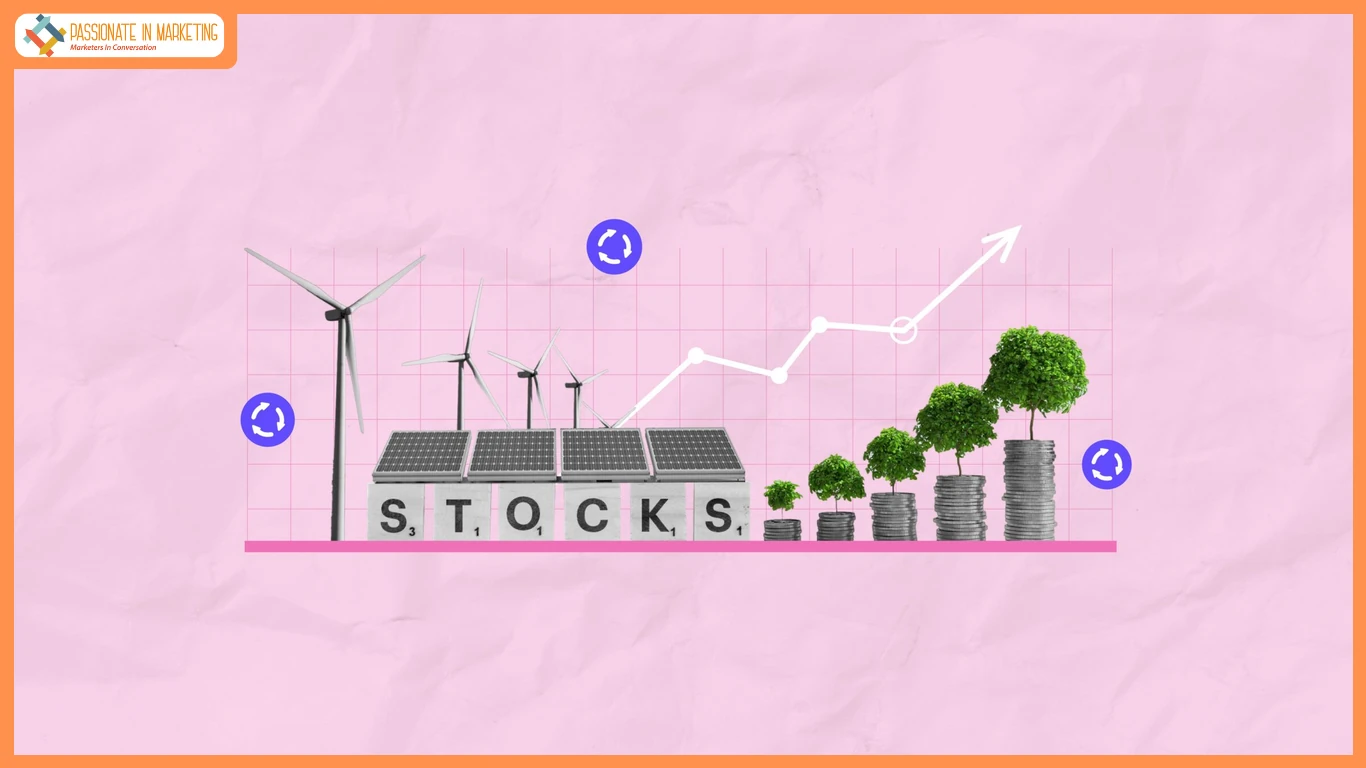
Infrastructure development plays a central role in shaping the performance of several sectors in India, particularly energy public sector undertakings (PSUs) and engineering companies. As government spending and large-scale projects expand, these sectors often respond through changes in revenue expectations and investor sentiment. This connection between infrastructure growth and stock performance helps explain how share prices move over time.
Government Spending and Policy Direction
Infrastructure growth in India is largely driven by government initiatives and public investment.
- Capital expenditure plans: Large allocations towards infrastructure projects can support long-term demand for energy and engineering services. This may create a pipeline of project opportunities.
- Policy announcements: Initiatives related to renewable energy, transport, and industrial corridors can shape sector outlook. These policies may influence investment activity.
- Public-private participation: Collaboration between government and private firms can expand project execution capacity. This may increase opportunities across sectors.
Such developments can influence price movements in PSU stocks like the NLC India share price, especially when new projects or policies are announced.
Energy Demand and Capacity Expansion
Energy PSUs are directly linked to infrastructure growth through their role in power generation and resource supply.
- Rising electricity demand: Infrastructure expansion can increase power requirements across industries and urban areas. This supports sustained energy consumption.
- Capacity addition: Energy companies may expand generation or distribution capacity. This helps meet growing demand over time.
- Shift to renewables: Increasing investment in renewable energy projects can shape long-term growth expectations. This may gradually change the energy mix.
These factors often contribute to how energy sector stocks respond to infrastructure-related developments.
Order Book Strength in Engineering Companies
Engineering companies benefit from infrastructure growth through project execution and contract awards.
- Project pipeline: A strong order book reflects confirmed projects yet to be executed. This can provide visibility into future revenue.
- Execution timelines: Timely completion of projects can support cost control and revenue recognition. Delays may affect profitability and market perception.
- Diverse project exposure: Companies operating across multiple infrastructure segments may see more balanced demand. This can support relatively stable growth over time.
Fluctuations in indicators like the G G Engineering share price may reflect changes in order inflow and project execution trends.
Raw Material Costs and Operational Challenges
Infrastructure projects often depend on raw materials such as steel, cement, and energy inputs.
- Cost volatility: Fluctuations in raw material prices can affect input costs. This may impact margins for companies in these sectors.
- Supply chain disruptions: Delays in material availability can slow project execution. This may affect timelines and overall project delivery.
- Operational efficiency: Efficient cost management and resource utilisation can support profitability. This can be relevant during periods of price variation.
These operational factors can influence how investors perceive sector performance.
Economic Cycles and Investment Activity
Infrastructure growth is closely tied to broader economic conditions.
- Economic expansion: Strong economic growth can lead to increased infrastructure spending. This may support demand for related services.
- Private sector investment: Higher corporate investment can contribute to project activity. This can increase demand for engineering and construction services.
- Cyclical nature: During economic slowdowns, project approvals or execution may be delayed. This can reduce overall demand in the sector.
Such macroeconomic trends often explain why movements in the NLC India share price align with broader economic signals.
Market Sentiment and Sector Rotation
Investor sentiment plays a significant role in amplifying the effects of infrastructure growth on stock prices.
- Sector rotation: Investors may shift capital towards infrastructure sectors during growth phases. This can influence demand for related stocks.
- Earnings expectations: Anticipation of higher earnings can impact stock prices ahead of actual results. Market pricing may reflect expected performance.
- Global influences: International trends in energy and infrastructure can affect domestic markets. These factors may shape the overall sector outlook.
Changes in sentiment can also influence movements in the G G Engineering share price, particularly when sector outlook shifts.
Conclusion
Infrastructure growth acts as a key driver for energy PSUs and engineering companies in India, influencing their share prices through multiple interconnected factors. Government spending, energy demand, project pipelines, cost structures, and economic cycles all contribute to how these sectors perform in the market. While company-specific factors remain important, broader infrastructure trends often provide the underlying direction for stock price movements, highlighting the strong link between economic development and sector performance.
**’The opinions expressed in the article are solely the author’s and don’t reflect the opinions or beliefs of the portal’**

