


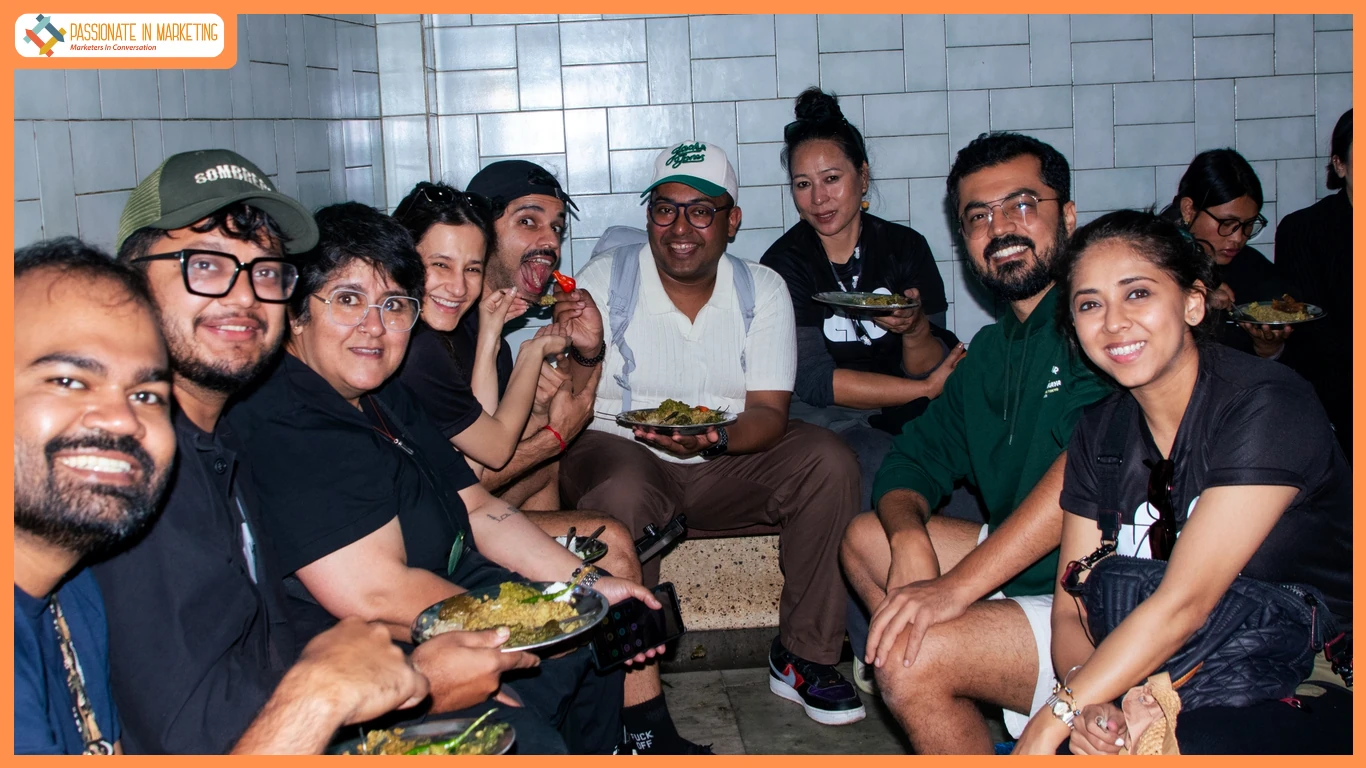
Shillong, April 7, 2026: Seeti 2.0, a never-before-seen five-day culinary immersion initiative, brought together around 50 chefs, creators, and storytellers for an experience designed to go beyond conventional food tourism in Meghalaya. Unlike typical food festivals, Seeti 2.0 focused on deep cultural engagement, with participants experiencing Meghalaya through its communities, landscapes and traditions.
Seeti Movement is a platform for people in the food industry to come together at different locations and experience not only the space, but also celebrate the generosity of feeders. The guests give back to each other or to the environment. Rooted in a pillar of generosity, it seeks to reawaken the spirit of Atithi Devo Bhava, fostering a culture of respect, openness, and shared value. Rather than fleeting engagement, it builds lasting ideas, collaborations, and intellectual capital beyond the event itself.
“This year, Seeti 2.0 Meghalaya Experience decided to do things differently. Keeping our mission in mind, we explored how we could work in the North East and introduce it to our storytellers, so they can carry the food, craft, and culture of Meghalaya forward. We wanted to understand what we could give to Meghalaya, and what we could introduce to the rest of the world as well. This year, Seeti 2.0 Tables in the Clouds not only focused on the food of India and the food industry, but also directly invited local chefs to curate experiences, and to share and participate in our panel discussions,” said Priyadarshini Raje Scindia, Co-Founder of the Seeti Movement.
The Seeti 2.0 Meghalaya experience was preceded by nearly a year of on-ground research and curation, with the team mapping Meghalaya’s landscapes, communities and food systems to identify locations and narratives that best represent the state’s diversity. This translated into carefully designed experiences set in unique and context-rich environments, from curated meals following the visit to the sacred forest, to immersive sessions at tea estates overlooking Umiam Lake, allowing participants to engage with the cultural and ecological significance of each setting rather than viewing them as standalone destinations. The programme was also structured around the cultural identities of Meghalaya’s Khasi, Jaintia and Garo communities.
“Designed as a cultural platform rather than a conventional food event, Seeti focused on creating deeper connections between our Storytellers and local contexts. In many food-led events, the deeper conversation gets lost if it is only about food. We wanted each experience to reflect something iconically rooted in the place. A key aspect of the initiative was its emphasis on participation over observation, allowing visitors to experience food within its cultural and social context. People begin to feel a sense of ownership when they experience something meaningful, whether it is an experience at the sacred forest, a tea estate or a community meal,” said Sid Mewara, Co-Founder of the Seeti Movement.
Mewara also noted, “Many visitors arrived with a limited understanding of regional cuisines. There is a perception that it is only very spicy or non-vegetarian food, but once people experience it, they realize the depth and diversity, from vegetarian dishes to subtle flavours that can be cherished among the locals at breathtaking venues”.
The Seeti 2.0 Meghalaya programme also highlighted how local food systems are inherently sustainable. Organizers pointed to practices such as local sourcing, low carbon consumption, use of whole ingredients and community-based food systems as examples of long-standing ecological balance.
“The initiative also reinforced the importance of responsible and respectful tourism, encouraging visitors to engage with heritage spaces such as sacred forests and community-owned ecosystems. The initiative also highlighted how food can serve as an entry point into larger conversations around identity, sustainability and responsible tourism. The idea was to balance heritage and modernity, with visits to contemporary dining spaces alongside traditional settings, offering a holistic perspective on the evolving Northeastern urban culture,” said Priyadarshini.
While the on-ground programme involved around 50 participants, organizers said its impact is designed to scale through Live and post-event storytelling through its carefully selected guests, which included world-renowned chefs, hoteliers, investors, traditional media, new age content creators, and marketing professionals. Seeti 2.0 aimed to enable its guests to become its storytellers, to accelerate inbound tourism for the State.
Seeti 2.0 Meghalaya Experience was also designed to merge with Meghalaya Government’s existing food festival, Culinary Cascades, where Seeti 2.0 storytellers were again able to directly meet farm-to-table vendors and chefs, as well as hold a panel on the future of Meghalaya’s food, craft, and journey.
The founders of Seeti 2.0 also highlighted the role of Meghalaya Government’s Support in enabling the initiative, noting that proactive coordination by state agencies helped facilitate access and logistics across locations. When a state comes forward and supports an initiative like this, it allows us to build something much larger than an event. It creates an ecosystem that organically surpasses the event.
Following the success of Seeti 2.0 Meghalaya edition, the experience has emerged as a scalable model for cultural tourism in India, with organizers positioning the platform as a format that can be adapted across states by combining food, community engagement and storytelling at offbeat locations. The event also includes a long-form film documenting the experience, with participants serving as storytellers, carrying narratives to wider audiences.

