


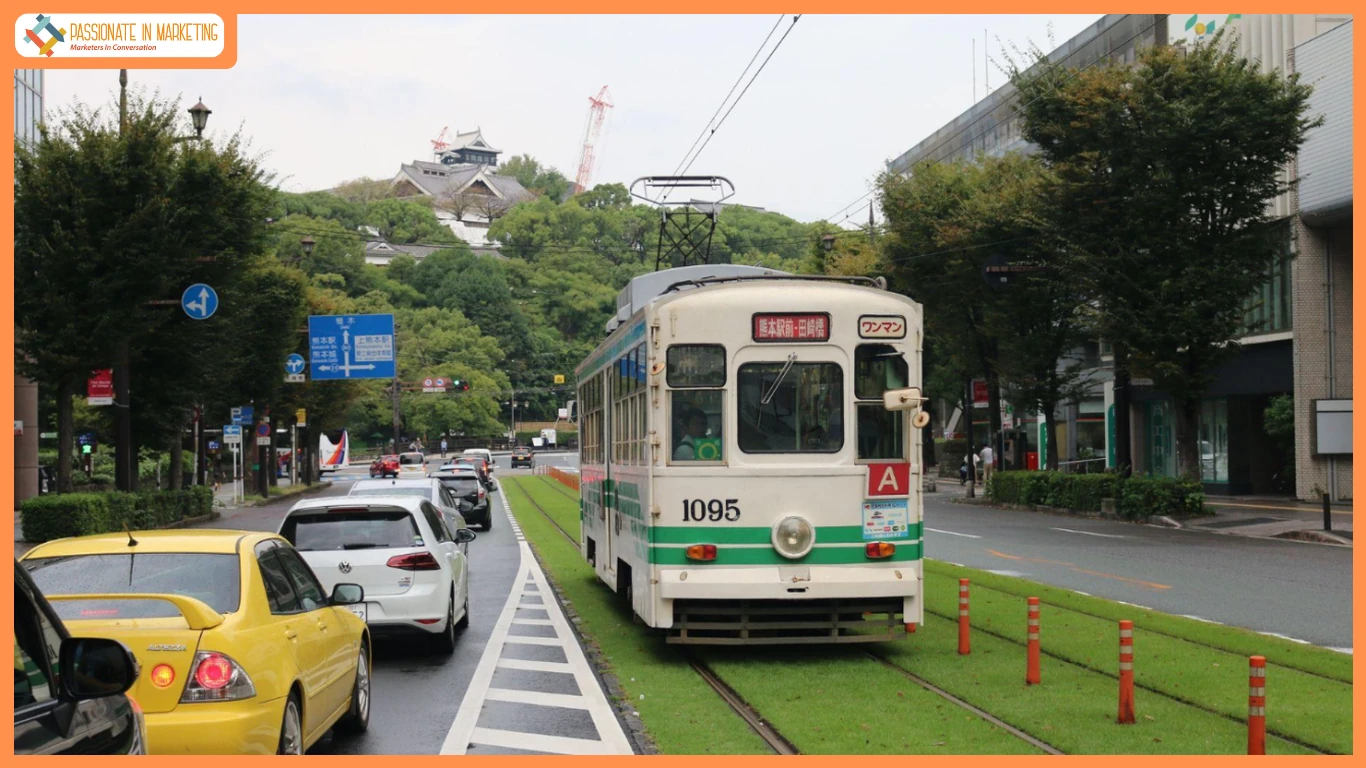
Cities today are facing mounting pressure to move people efficiently, making urban mobility a central focus of modern planning. Congestion, climate goals, and rapid urbanization are pushing cities to rethink how transport works, not by adding more roads, but by using existing infrastructure more intelligently.
Rethinking How Cities Move
Urban planners now recognize that expanding road capacity often worsens congestion due to induced demand. Instead, cities are adopting smarter frameworks like “Avoid–Shift–Improve,” which focus on reducing unnecessary travel, shifting commuters to sustainable modes, and improving current systems.
This approach ensures transport is more efficient, inclusive, and environmentally responsible.
The Rise of Intelligent Urban Transport Systems
Modern urban transport systems are powered by data and connectivity. AI-driven traffic signals adjust in real time, reducing delays and improving flow. Digital platforms integrate buses, trains, ride-sharing, and micromobility into single apps, enabling seamless journey planning and payment. These systems act as a “mobility operating layer,” coordinating entire city networks for better efficiency.
Electrification and Micromobility
Electrified transport is becoming the backbone of sustainable cities. Electric buses and trams reduce emissions and operating costs, while micromobility solutions like e-bikes and scooters address first- and last-mile challenges. Many commuters ask how fast can an e bike go, and most regulations cap speeds between 20–28 mph depending on the class, ensuring both efficiency and safety in urban settings.
Smart Infrastructure and Energy Integration
As electric vehicles scale, cities are investing in smart charging systems that distribute energy demand efficiently. Vehicle-to-grid technology allows fleets to return power during peak demand, turning transport into an active part of the energy ecosystem. This integration supports renewable energy adoption while maintaining grid stability.
Seamless and User-Centric Mobility
User experience is at the core of modern transport innovation. Features like real-time updates, contactless payments, and accessibility tools ensure systems serve everyone. Mobility-as-a-Service platforms bundle multiple transport options into one subscription, simplifying travel while encouraging sustainable choices.
Future-Ready Urban Transport System
A connected urban transport system brings all these innovations together, linking electric fleets, micromobility, smart payments, real-time data, and shared mobility into one coordinated network. This helps cities reduce congestion, improve accessibility, and create cleaner, more reliable travel for everyday commuters.
Conclusion
The future of urban transport lies in integration, not expansion. Intelligent systems, electrified vehicles, and shared platforms are already transforming how cities function. By embracing these innovations, cities can create transport networks that are cleaner, faster, and more equitable for everyone.
**’The opinions expressed in the article are solely the author’s and don’t reflect the opinions or beliefs of the portal’**

