

Upskilling is nothing new, but the way we’re approaching it these days has definitely evolved. In 2026, employers are much more concerned about how you keep your skills current, not just what qualification you earned years ago. Roles are evolving, tools are getting better, and resumes that don’t keep up start to seem like fast-food leftovers: cold and left on the side.
The good news is that upskilling doesn’t need to involve starting from scratch or putting life on hold. Strategic, small‐scale improvements can make a big difference in the way your resume looks — and how confident you feel about your work. The key is selecting skills that truly provide value, and presenting them in the right way.
Here’s how to upskill in 2026 and make those efforts count.
Focus on Skills You Can Actually Show
One of the biggest mistakes that people make is collecting qualifications without thinking about how they translate to real work. These days, employers want to know what you have to offer to their team, not just how many degrees you have.
This is where practical and on-the-job training become critical. Whether you’re learning the basics of design, video editing or digital content creation, presenting examples of your work can be powerful. For students or aspiring professionals, even saving money by taking advantage of a student discount for Adobe Creative Cloud can get you in the door to building real projects without spending thousands up front.
Beyond Adobe Creative Cloud, tools like Figma and Notion can help you create real projects while learning digital skills. For coding or data skills, platforms like Codecademy or DataCamp allow you to build practical experience that can be showcased on your resume. The minute your resume is jammed with real results like content samples, portfolios, or projects that you’ve worked on, the more credible it becomes than an endless scroll of fluffy adjectives.
Key benefits:
- Makes your resume more credible through real work examples.
- Helps employers see how you apply skills, not just list them.
- Builds portfolio-ready evidence instead of abstract qualifications.
Choose Learning That Fits Around Your Life
Upskilling works best when you can actually sustain it alongside the practicalities of daily life. The good news is that flexible learning options are everywhere in 2026, meaning you can sign up for short online courses or part-time qualifications without having to upend your life. Which means you’ll still have plenty of time to dedicate to your work, family, and hobbies.
Short courses, micro-credentials and online programs let you build skills incrementally instead of feeling like you need to get everything done at once. This also makes for an easier transition if your passion or career path changes. Not to mention, studying in smaller bursts has been proven to aid retention and stave off burnout.
Employers aren’t expecting you to change overnight. They care more about steady progress and a clear willingness to keep learning.
Key benefits:
- Makes upskilling sustainable alongside work and personal commitments.
- Reduces burnout by encouraging incremental learning.
- Shows employers consistent progress rather than sporadic study.
Build Digital Confidence, Not Just Digital Skills
Listing all the digital tools you’re comfortable using on your resume is great. But it’ll take more than knowing the basics if you really want to impress prospective employers — you’ll need to be completely confident with using them on a daily basis. And as more roles rely on digital platforms, employers notice when someone can adapt quickly to new systems.
Building new skills in this area may mean improving your collaboration skills, ability to manage digital workflow automation software, or communication skills with remote teams. These skills don’t always come with certificates but they show up strongly in interviews and workplace performance.
Taking something like managing a small team’s project in Asana or designing an interactive infographic in Figma are skills you can highlight on your resume to show off your hard skills as well as your problem-solving ability. If you can provide real-life examples of how you’ve used digital tools to solve problems or become more efficient, it adds depth to your resume and puts you ahead of people who only know the basics.
Key benefits:
- Demonstrates adaptability in modern, tool-driven workplaces.
- Strengthens both technical ability and problem-solving skills.
- Prepares you for interviews where real-world tool use is discussed.
Keep an Eye on Industry Shifts
The world moves fast and the skills that were top of the list five years ago may be completely irrelevant today. Upskilling in 2026 demands a more data-driven approach. In other words, you should be keeping an eye on how your industry is changing and adapting to it.
This could be anything from automation and sustainability to data literacy and customer experience, depending on what field you’re in. You don’t have to be a jack of all trades, but if you know enough about emerging trends, it’s a sign that you’re in-the-know and willing to adapt.
A resume that uses industry-specific keywords and language indicates to companies that you’re engaged and paying attention — both of which are very attractive qualities to employers.
Key benefits:
- Keeps your resume aligned with current and emerging roles.
- Helps you use industry-relevant language and keywords.
- Signals awareness, curiosity, and long-term career thinking.
Don’t Ignore Soft Skills
There’s a lot of hype around technical skills, but soft skills still matter just as much when it comes to hiring. You could be the smartest person in the room, but if you’re not able to communicate with others, what does it matter? In many roles, it’s skills like communication, problem-solving and time management that are often the determining factor of whether someone thrives.
Upskilling here might look like leadership training, presentation practice or learning how to give and receive feedback effectively. These skills may be hard to measure but they’re what employers look for in interviews.
Leading a team project internally, helping onboard a new employee, or organising a collaboration between departments are all examples of skills you can use to show skills such as communication, teamwork, or time management — skills employers love to see.
Key benefits:
- Highlights how you collaborate, communicate, and lead.
- Strengthens interview performance with concrete examples.
- Balances technical expertise with human skills employers value.
Use Projects to Tell Your Story
One of the most effective ways to level up your resume is by reframing how you talk about your experience. Instead of just listing responsibilities, hone in on projects and outcomes.
This could be freelance work, volunteer projects, assignments, or work projects. Even small projects can show initiative, learning and problem-solving. Employers want to know how you think and problem-solve. Projects are a much better way to tell that story than generic job descriptions.
They can be small: volunteering to create a social media graphic, running a smaller data report or putting together a brief presentation to share at a team meeting. If you can quantify the outcome (15% more engagement, save 10 hours a month), do that as well.
Key benefits:
- Turns experience into measurable outcomes.
- Makes your resume easier to scan and understand.
- Shows initiative, ownership, and problem-solving ability.
Refresh Your Resume as You Learn
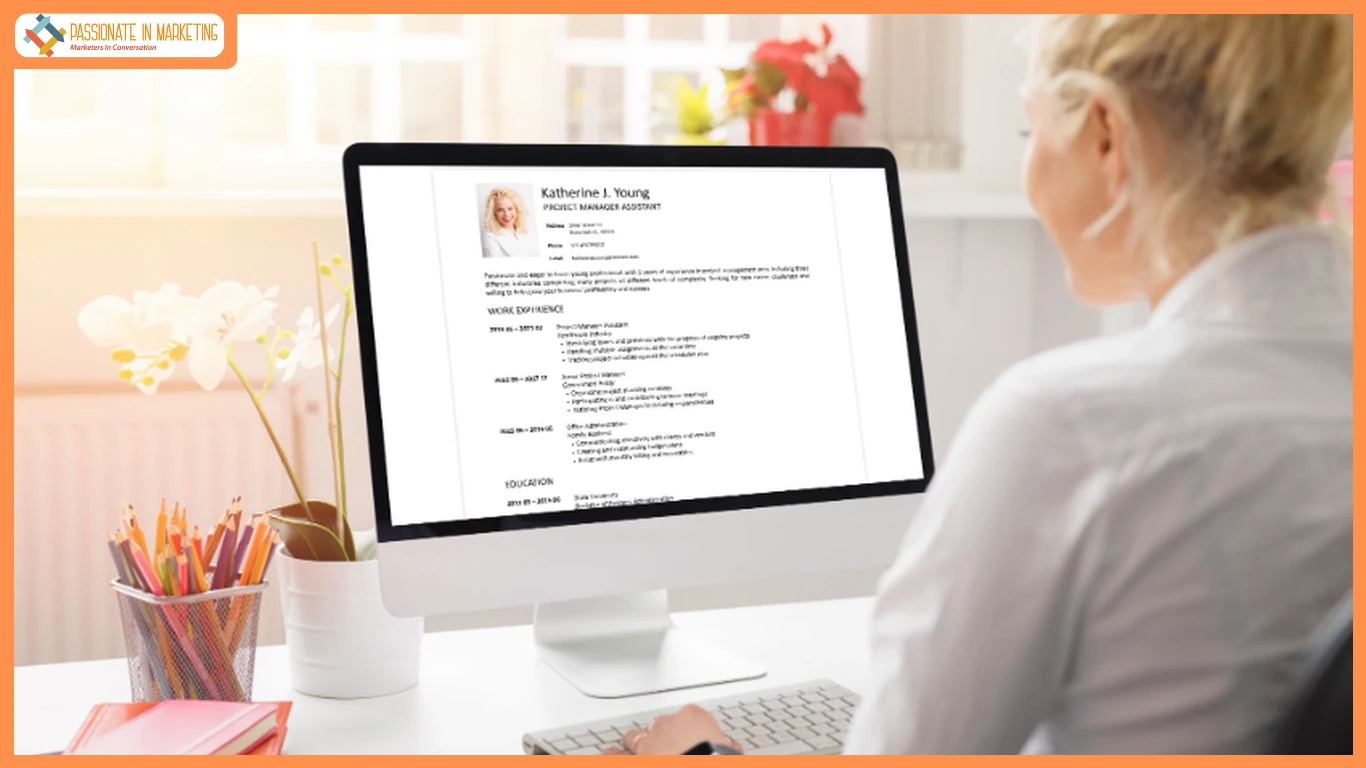
Last but not least, do yourself a favour and review your resume at least once every couple of months. Updating it regularly helps you avoid common mistakes made on resumes, like listing outdated skills or missing key achievements. Add new skills, rewrite descriptions, and refine how you explain your experience. This also helps you keep track of what you’ve learned and where you want to go next.
A resume that’s up to date keeps you feeling confident. It means you’re ready if an opportunity comes up, even out of the blue.
Key benefits:
- Prevents outdated or irrelevant skills from lingering.
- Keeps you opportunity-ready at all times.
- Helps you track growth and career direction over time.
Upskilling Smarter, Not Louder
Upskilling will be less about quantity and more about quality in 2026. Gone are the days where you can list random technologies and skills just to fill up space on your resume. Instead, you should focus on skills that relate to your current role, the industry you’re in, and where you want to go in your career.
To do that, you need to pick skill development opportunities that work for your lifestyle. Whether that means becoming more confident in the tools you already know your team uses or understanding how your industry will change in the coming years. It also helps to strengthen your hard skills and soft skills by having examples of projects you’ve worked on and what you accomplished.
Think of upskilling as a continuous cycle of adding to your resume, tweaking how you word your experience, and learning how to avoid mistakes like listing too many qualifications and including tools you don’t know how to use. As long as you stay committed to learning and improving yourself, employers will be able to see how far you’ve come.
The only skill that will truly matter in 2026 is the ability to learn. By focusing on continuous improvement rather than trying to be perfect and understanding which skills you should focus on at each stage of your career, you can create a resume that doesn’t become irrelevant.
**The opinions expressed in the article are solely the author’s and don’t reflect the opinions or beliefs of the portal**

