


If you have spent any time trying to set up a traditional office in Bangalore, you already know how much goes into setting up an office before the first employee even walks through the door. Deposits, fit-out work, vendors to coordinate, compliance to sort out. It takes months and a lot of money.
That is exactly why more and more companies here are choosing managed offices instead. Startups, mid-sized firms, and even large global capability centers are making the switch. It is not just about saving money. It is about being able to operate the way a modern business actually needs to. This article covers the main reasons why managed office space has become the preferred choice for so many companies in Bangalore.
Cost
Setting up a traditional office in Bangalore costs a lot more than just the rent. Before you are even operational, you are paying a security deposit worth several months of rent, fitting out the interiors, buying furniture, setting up IT, and handling a stack of compliance paperwork. By the time you open the doors, a significant chunk of your working capital is already spent.
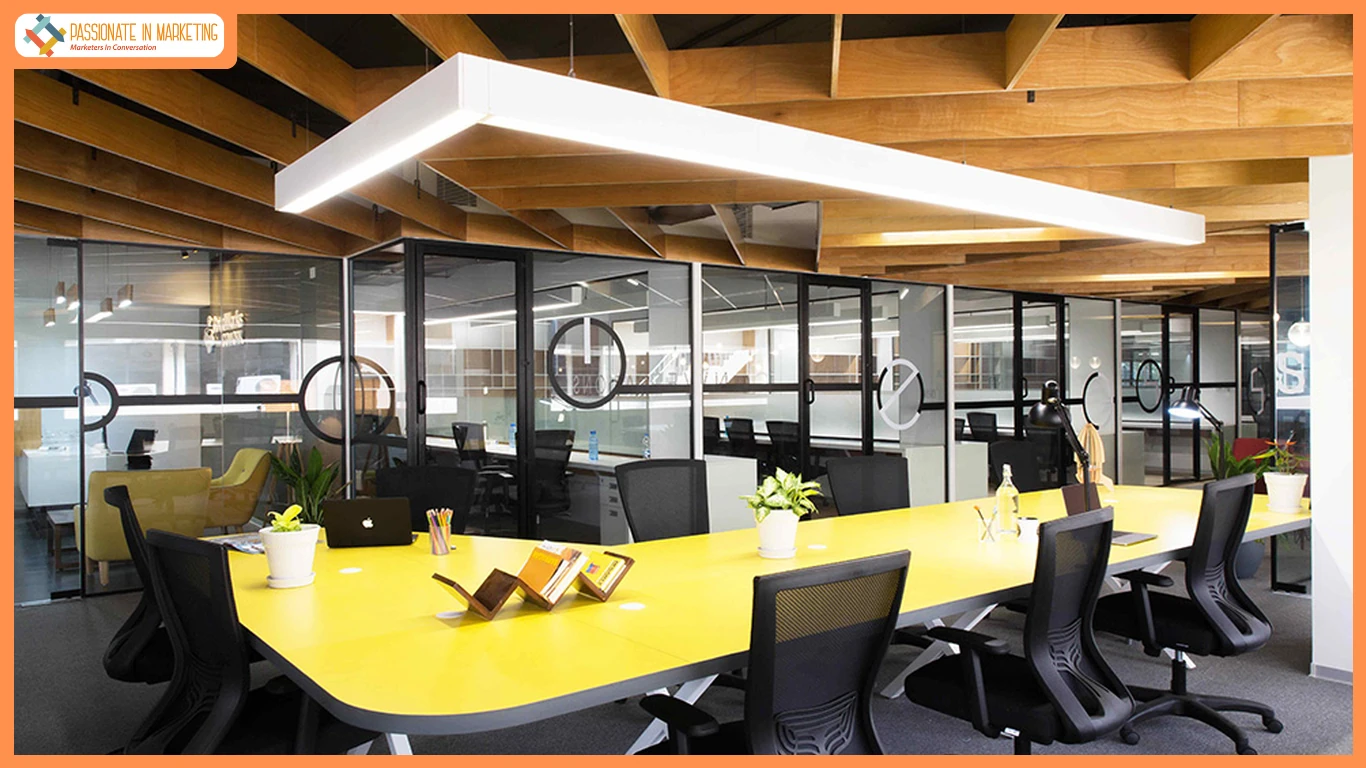
Managed offices cut through all of that. The space is ready when you arrive. Furniture, internet, meeting rooms, pantry, all of it is in place. You pay one monthly amount and know exactly where you stand financially. What you would have spent fitting out a raw space stays in the business where it is actually needed.
According to JLL India, Bangalore led office leasing across India in 2024, which gives you a sense of just how competitive and expensive the market has become. In that context, not tying up capital before you have started hiring is a smart financial call.
Ready to Use From Day One
A conventional office setup in Bangalore rarely moves fast. Between the lease negotiations, the fit-out, the vendor onboarding, and all the logistics in between, most companies are looking at four to six months before anything is actually usable. That kind of wait has real consequences.
Candidates in Bangalore have options. If you cannot tell someone when the office will be ready, some of them will take another offer. You can lose good people before you have even had the chance to bring them in. With a managed office, you skip all of that. The space is live, the infrastructure is working, and your team can start on day one. For companies entering Bangalore for the first time, especially GCCs that need to move quickly, that head start matters a great deal.
Flexibility to Grow Without the Guesswork
A traditional lease locks you into a fixed headcount for a fixed number of years. That sounds reasonable until your team doubles in size after a strong quarter or you need to reduce after a difficult one. Leases do not adjust to your business. You either pay for space you are not using or struggle to fit a growing team into a space that is too small.
Managed offices work the other way. You take the seats you need and change that number as the situation changes. No renegotiations, no break fees, no awkward subletting arrangements. For tech companies whose team sizes shift with projects and for startups that are growing fast but cannot see too far ahead, this ability to match the space to the team in real time is a genuine operational advantage.
For context on how Bangalore’s business districts are developing and where demand is growing, this look at commercial growth corridors in Bengaluru is worth reading if you are trying to decide where to base your team.
Amenities
One thing people do not always think about when comparing managed offices to traditional ones is the quality and reliability of what is included. In a managed space, the meeting rooms are properly equipped, the internet is enterprise-grade, the common areas are well maintained, and the support staff is on site. These things are maintained as part of the service, not left for you to sort out when they stop working.
In a self-managed office, every broken air conditioner, every flickering light, and every slow internet connection becomes your problem to fix. You end up spending time managing vendors and chasing service calls instead of running your business. Managed offices take all of that off your plate. The operator handles it, usually the same day.
Good amenities also make a visible difference to your team. A well-stocked pantry, reliable meeting infrastructure, and a professional environment are things employees notice and appreciate. In Bangalore, where retention is a real challenge, small things like this add up. As the GCC Workplace Playbook 2025 documents, most large enterprise leases in recent years have gone to professionally managed, tech-enabled workspaces because companies understand that the environment directly affects how people perform.
A Prime Location Without a Long Commitment
In Bangalore, location shapes perception. A Koramangala or Indiranagar address works well for startups and consumer-facing businesses. The Outer Ring Road and Whitefield are where most of the technology talent is concentrated. An MG Road or CBD address signals credibility for companies that regularly meet clients. Getting into any of these areas through a conventional lease means committing to that location for years, even if circumstances change.
Managed offices give you access to the right location without that long-term lock-in. You can set up where it makes sense for your team right now and move or adjust as the business evolves. If your operations need presence across different parts of the city, operators with multiple locations can cover that without you needing to negotiate separate agreements for each site.
Companies exploring managed office space in Bangalore will find that providers like Incuspaze offer workspace across the city’s key business corridors, designed to serve everything from growing startups to large enterprises and GCC requirements.
Networking That Happens Naturally
Something that does not get talked about enough with managed offices is the kind of informal connection that builds when multiple businesses share the same building or campus. You end up running into people from other companies in the hallways, in the pantry, at events the operator organizes. Some of those conversations lead nowhere. Others lead to partnerships, referrals, client introductions, or simply a useful contact in a field you were not connected to before.
This is harder to manufacture in a standalone traditional office where you are isolated from anyone outside your own team. Managed office environments, particularly those with a strong community of resident companies, create a kind of organic networking that would cost you real effort to replicate otherwise. For early-stage companies and founders especially, that ambient access to other operators and decision-makers is genuinely valuable.
One Bill Instead of Ten
The true monthly cost of running a traditional office is almost always higher than the rent figure suggests. On top of the rent, you have electricity, internet, housekeeping, security, pantry supplies, maintenance contracts, and the odd unexpected repair. Some months everything is fine. Other months three invoices land at the same time and none of them were planned for.
A managed office brings all of this down to one number. One invoice, same time every month, and you know exactly what is in it. For smaller businesses and MSMEs without a dedicated finance team, this is a genuine relief. You are not chasing vendor payments or reconciling a pile of bills. You are focused on the business.
The CBRE India office market data showed that flexible space leasing in Bangalore nearly doubled in 2024 compared to the previous year. That growth across all company sizes reflects how broadly the economics of managed offices are being recognized.
Why Bangalore Makes This an Easy Choice
Bangalore moves faster than most cities. Companies here are expected to hire quickly, scale quickly, and deliver quickly. A nine-month office setup and a five-year lease are not built for that pace. They create friction at exactly the point where a business needs to be moving.
The managed office model fits how Bangalore actually works. You get in fast, you pay what makes sense for your current size, and you have room to change without it costing you a penalty or a painful exit negotiation. As the city continues to attract global companies and high-growth startups, the appetite for offices that move at the same speed as the businesses inside them is only going to keep growing.
For most companies looking at where to set up or expand in Bangalore today, managed office space is no longer just one option among several. It has become the practical default.
Conclusion
Choosing an office is one of those decisions that looks simple from the outside but carries a lot of weight once you are inside it. In a city like Bangalore, where the market moves fast and the costs are real, getting it wrong is expensive. That is why the managed office model has found such strong ground here.
It removes the upfront burden, gets you operational without delay, gives your team a workplace that is properly equipped and well maintained, and lets the business change shape without dragging real estate behind it like an anchor. Whether you are a startup finding your footing, a mid-sized company expanding into a new location, or a GCC building a team from scratch, the managed office takes a long list of operational headaches off the table.
The companies that have made this shift are not doing it because it is trendy. They are doing it because it works. And in Bangalore, where the pressure to move fast and stay lean is constant, that is reason enough.
**’The opinions expressed in the article are solely the author’s and don’t reflect the opinions or beliefs of the portal’**

