


National, March 27, 2026: On the occasion of International Day of Forests, Axis Bank reaffirmed its unwavering commitment to environmental sustainability and biodiversity conservation by spearheading ongoing landscape restoration initiatives in Madhya Pradesh, Rajasthan, West Bengal & Assam. These efforts are driving large-scale habitat restoration by planting over 30 lakh saplings, across some of these states’ most ecologically significant forest regions.
Vijay Mulbagal, Group Executive – Wholesale Bank Coverage, Corporate Salary, Sustainability & CSR, Axis Bank, emphasised,“At Axis Bank, we recognise that restoring degraded forest landscapes is both an environmental responsibility and a people‑centric opportunity. Our ecological restoration efforts are designed to protect biodiversity while supporting the communities that depend on these ecosystems for their livelihoods. Through long‑term, community‑inclusive initiatives across India’s vulnerable landscapes, we aim to advance the country’s climate and biodiversity priorities while creating lasting social and ecological value.”
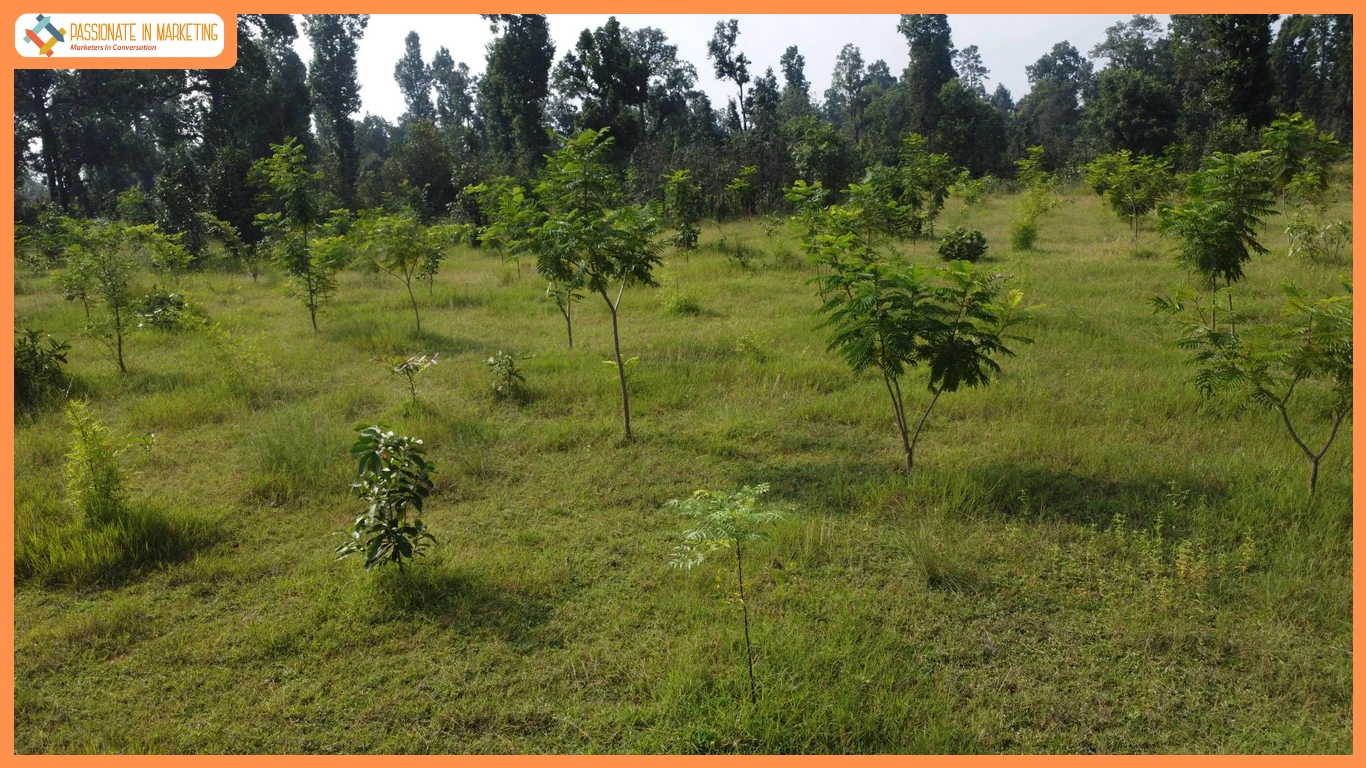
In Madhya Pradesh, the initiative focuses on restoring degraded forest ecosystems across the North Shahdol Forest Division and the Bandhavgarh Tiger Reserve—key components of the ecologically significant Central Indian tiger landscape. Implemented in partnership with The Corbett Foundation, Axis Bank is supporting the plantation of over 1.50 lakh native saplings over four years across degraded forest patches within the wildlife corridor linking Bandhavgarh and Sanjay–Dubri Tiger Reserves. This critical corridor enables the movement of tigers and other species across protected areas such as Guru Ghasidas National Park and Tamor Pingla Wildlife Sanctuary, making habitat restoration vital for long-term biodiversity conservation and climate resilience. The programme also builds on earlier restoration efforts under Axis Bank’s Mission 2 Million Trees initiative at the Masira site in the North Shahdol Forest Division, where 75,000 native saplings were planted to rehabilitate a 100-hectare degraded forest patch from 2022 to 2024.
In Rajasthan, the initiative is being implemented across Udaipur, Bhilwara, Chittorgarh, Pratapgarh, and Rajsamand districts in partnership with Seva Mandir and the Foundation for Ecological Security (FES), both experienced grassroots organisations in rural Rajasthan. Focusing on semi-arid regions facing climate stress, vegetation loss, and degradation of common lands, Axis Bank is supporting the plantation of close to 10 lakh native saplings across pastures, village commons, degraded forest areas, and non-cultivable private lands. Over the long term, the programme aims to restore nearly 3,000 hectares of degraded land, strengthening native biodiversity, ecosystem resilience, and community livelihoods dependent on these shared natural resources.
In West Bengal, Axis Bank is supporting mangrove restoration across the ecologically fragile delta landscape of the Sundarbans, a UNESCO World Heritage Site. Implemented in partnership with the Nature Environment & Wildlife Society (NEWS), the programme focuses on restoring wetland habitat and protecting the rich mangrove landscape that plays a critical role in strengthening coastal protection, contributing to carbon sequestration, and supporting the myriad of communities that rely on them for livelihoods and sustenance. As part of this effort, the Bank is supporting the plantation of over 7.14 lakh mangrove saplings across approximately 119 hectares, building on its earlier restoration efforts wherein 50,000 mangrove saplings were planted through community-managed nurseries. The initiative also includes wetland restoration and strengthening of natural coastal protection systems, helping enhance ecosystem stability and climate resilience across the Sundarbans landscape.
The initiative in Assam focuses on restoring degraded forest habitats in the Kartick Chapori landscape of Majuli District, a culturally and ecologically significant river island ecosystem. Implemented in partnership with the Balipara Tract & Frontier Foundation (BTFF), the programme aims to regenerate forest ecosystems and strengthen ecological resilience across forest-fringe landscapes through habitat restoration and agroforestry interventions. The initiative is being implemented in two phases aiming to restore over 785 hectares of degraded forest habitat along with supporting 65 hectares of agroforestry, helping improve ecological connectivity while supporting sustainable livelihoods for local communities dependent on natural resources.

