


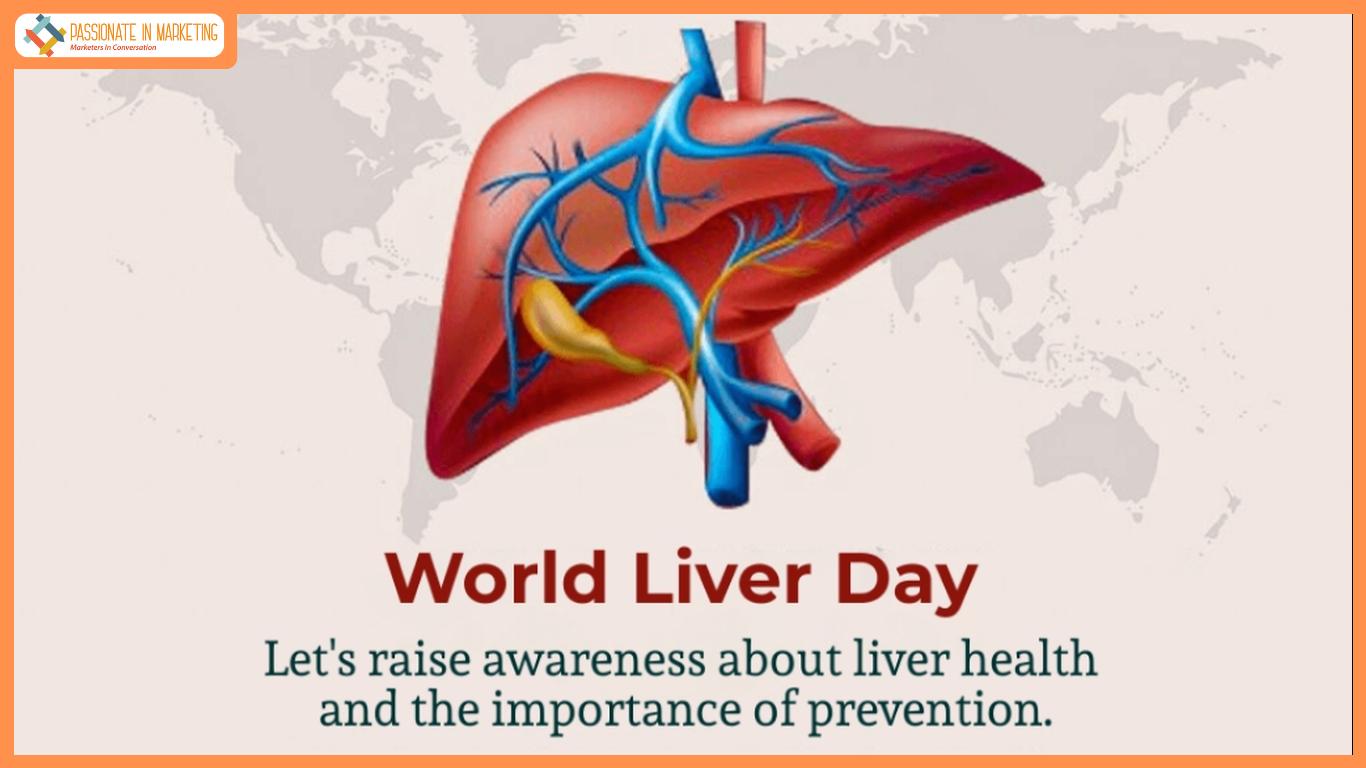
Hyderabad, 18th April, 2026: A silent health concern is rapidly emerging in urban India. Nearly one in three urban Indians may have fatty liver disease, often without noticeable symptoms. On the occasion of World Liver Day 2026, themed “Solid Habits, Strong Liver,” doctors at CARE Hospitals caution that what was once seen largely in older adults is now increasingly being diagnosed among individuals in the 30–50 age group. One-third of school children are obese, which is emerging as an early driver of fatty liver disease.

“This is not just a medical issue, but a reflection of changing lifestyles. Long hours of sitting, irregular eating habits, fast food consumption, rising stress, and lack of physical activity are impacting liver health. We are seeing higher incidence particularly among IT and corporate professionals, with greater risk in those with diabetes, obesity, and hypertension,” said Dr. Ramsagar Vidya Sagar, Senior Gastroenterologist at CARE Hospitals.
The bigger concern is the “silent” nature of liver disease. Early stages usually show no symptoms, and damage is often detected incidentally during routine tests. Many patients present late, when the disease has already progressed to cirrhosis or liver failure, making treatment more complex and outcomes uncertain.
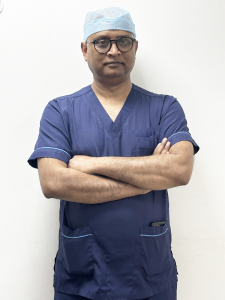
“Liver problems are often silent and may not show symptoms until they reach an advanced stage. A simple liver function test alone is not enough to diagnose most liver conditions. People should undergo a comprehensive evaluation, including blood tests, ultrasound, and in some cases, a FibroScan to assess fat accumulation and liver stiffness. Early detection allows timely intervention and significantly improves outcomes,” said Dr. Sonal Asthana, Senior Consultant – HPB & Liver Transplant at CARE Hospitals.
In response to this growing burden, CARE Hospitals has adopted a comprehensive, multidisciplinary approach, integrating gastroenterology, hepatology, critical care, and transplant services to ensure early detection and timely treatment. Doctors emphasise that early identification, appropriate treatment, and lifestyle changes are critical in managing liver disease effectively.

“Annual liver screening is recommended for individuals above 30 years of age, particularly those with diabetes or sedentary lifestyles. Symptoms such as fatigue, loss of appetite, unexplained weight gain, and abdominal fat should not be ignored. Self-medication and excessive use of supplements must be avoided. Obese individuals, in particular, require regular screening, as they remain at significantly higher risk of developing fatty liver disease,” said, Dr. Kumara Swamy, Senior Consultant – Liver Transplant & HPB Surgery.
Doctors say that simple lifestyle changes can go a long way in protecting liver health. Eating balanced meals, choosing low-fat diets, engaging in at least 30 minutes of daily physical activity, avoiding unnecessary medications, and limiting alcohol intake can significantly reduce the burden on the liver. For those in desk jobs, taking short breaks and staying active during the day can also help in the long run.
On the occasion of World Liver Day, CARE Hospitals delivers a clear message to the public: “Liver disease may be silent—but ignoring it can be life-threatening. Early screening is the best protection.”

