

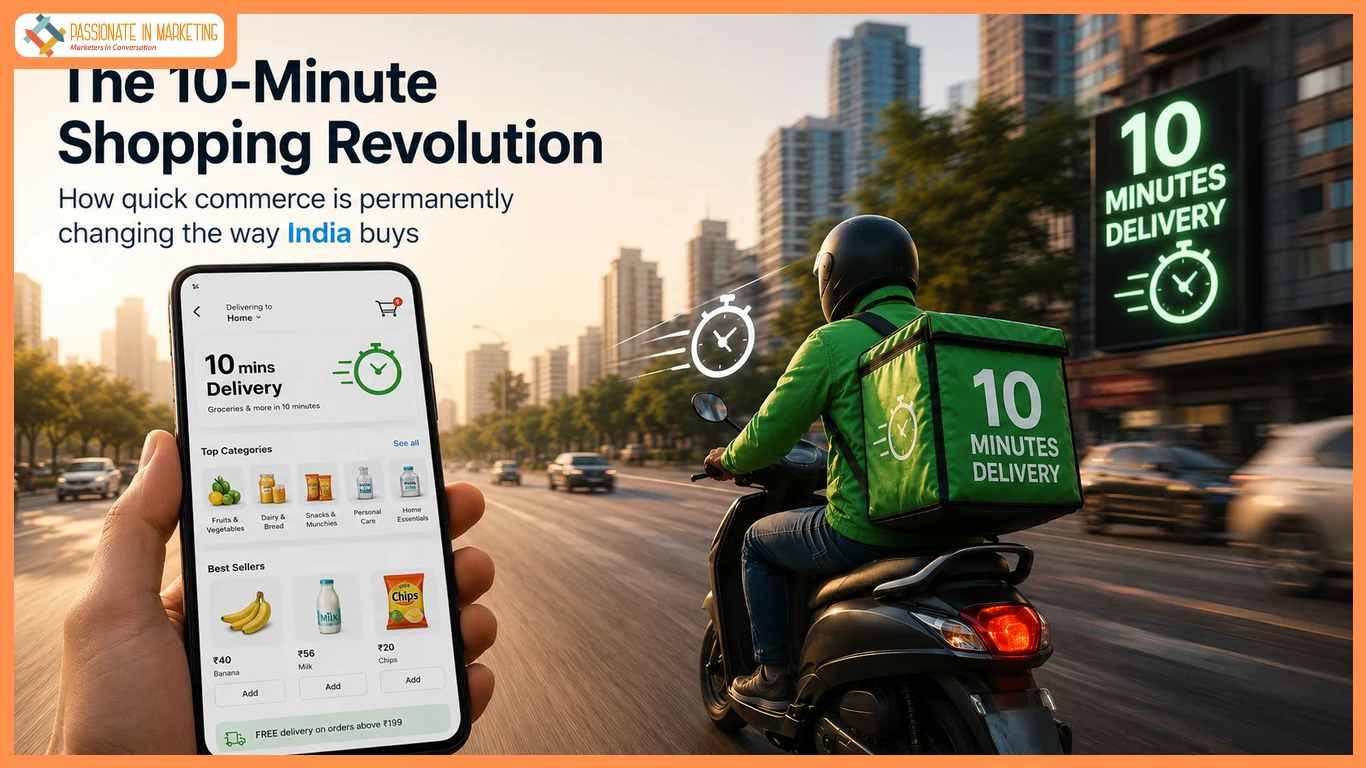
Five years ago, waiting a day for delivery felt fast. Today, waiting an hour feels slow. Across India’s major cities, a ten-minute delivery promise has grown into one of the biggest shifts in how people shop not just in speed but in what they buy, how often, and from whom. Quick commerce apps are processing and dispatching orders in under 10 to 15 minutes, and the ripple effects on cities, supply chains, and consumer habits are moving faster than most expected.
To understand these evolving dynamics, MaxEd conducted a study drawing on market GMV data, competitive performance data across Blinkit, Zepto, and Swiggy Instamart, impulse purchase patterns and micro-warehouse expansion data across India’s urban centers.
Market Size and Growth Trajectory
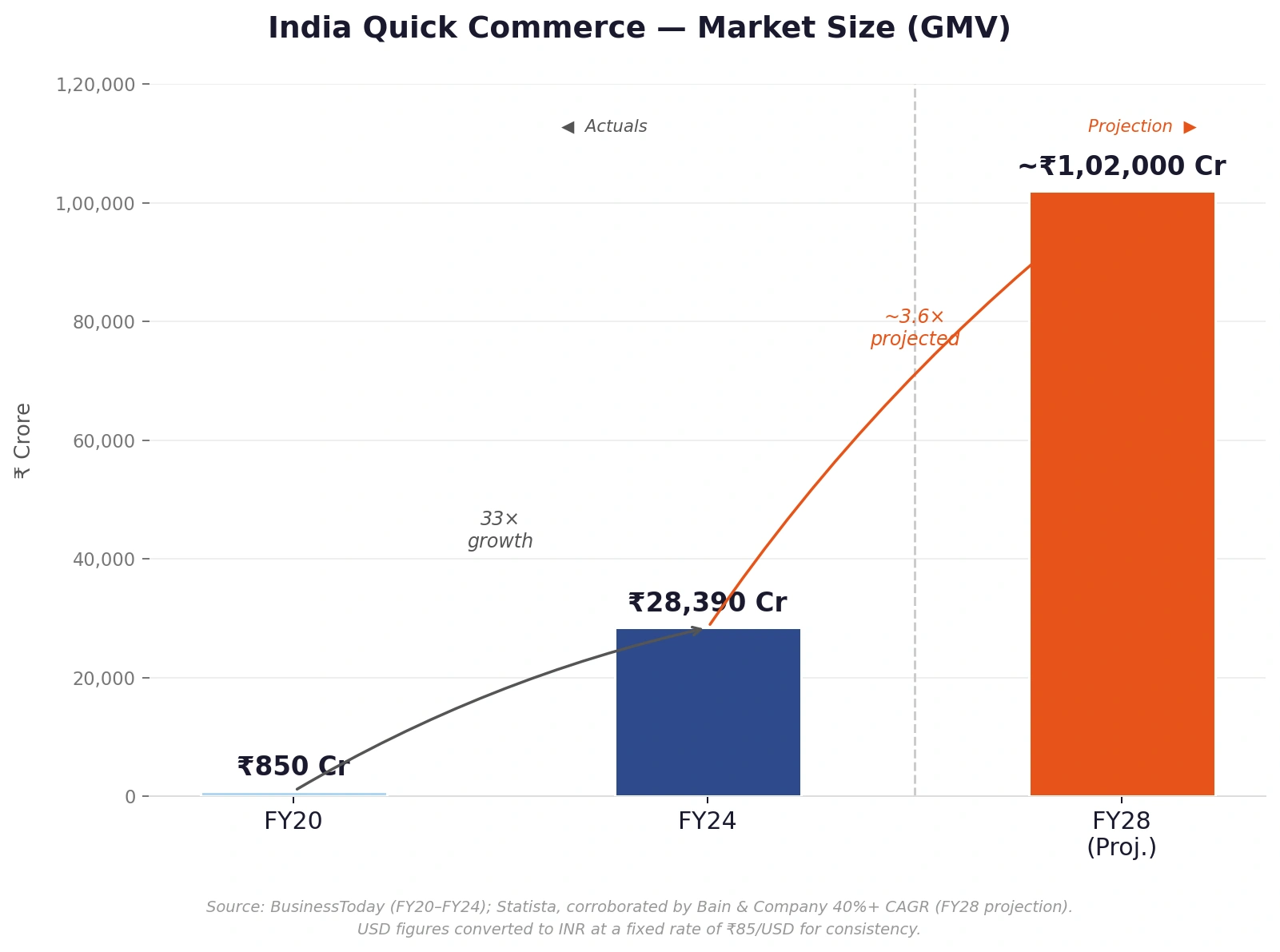
India’s quick commerce market was worth ₹850 crore in FY20. By FY24,it had grown to ₹28,390 crore,a 33-fold jump in four years,one of the fastest retail format growth India has seen.
The market is projected to reach approximately ₹1,02,000 crore by FY28.
Competitive Landscape and Platform Performance
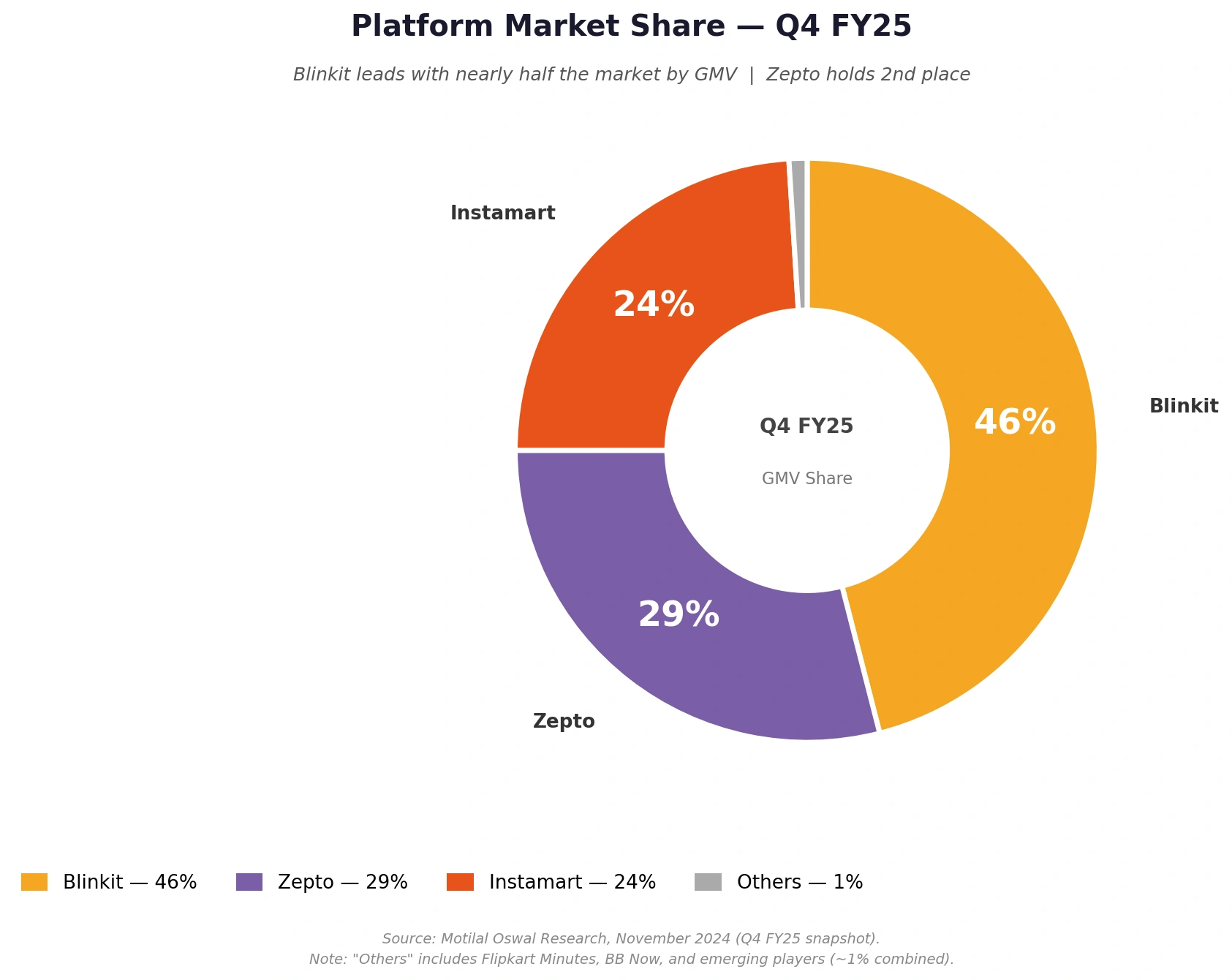
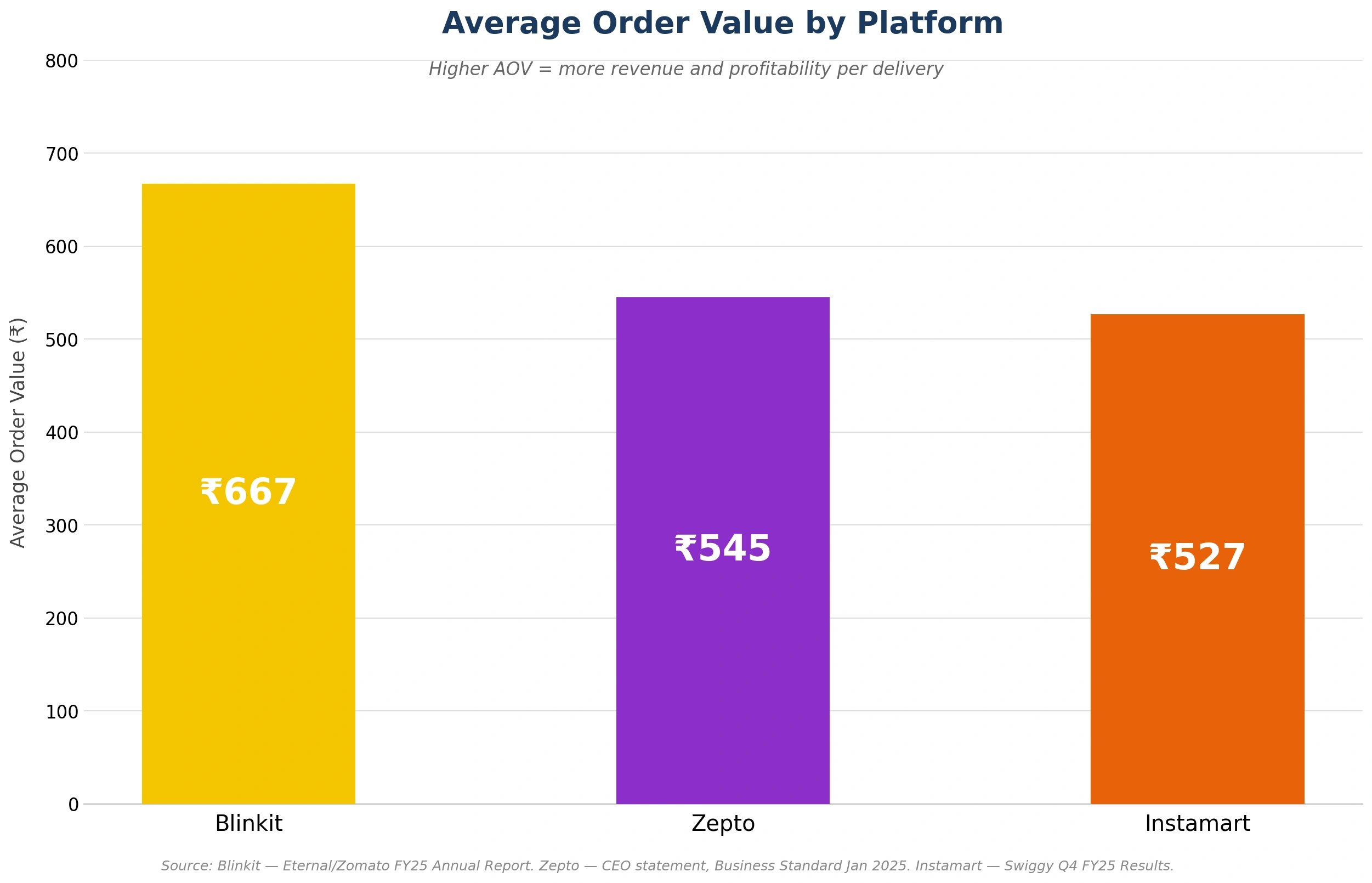
Three companies effectively own this market. As of Q4 FY25, Blinkit, Zepto, and Swiggy Instamart together account for nearly all industry GMV, with Blinkit holding close to half of it. What sets Blinkit apart is not just its scale but its order economics,high average order values have made it the first player in the category to turn operationally profitable.
Consumer Psychology: The Frictionless Impulse Buy
Quick commerce platforms are fast and designed very deliberately to remove every possible reason to pause before buying. A 10-minute delivery window eliminates the mental effort of planning. One-tap checkouts mean there is no moment where the buyer has to think twice. Low stock alerts and countdown timers create a mild but effective urgency. And free delivery thresholds do something clever, they turn cost-saving instincts into a reason to spend more.
Statistical evidence shows that 3 out of 4 users acknowledge an increase in impulse purchasing after downloading these applications, while 43% of consumers regularly add unplanned items to their carts to meet the free-delivery qualification.(source:Datum Intelligence)
Demand Creation vs. Market Shift
- Quick commerce doesn’t just create new demand, it’s actively pulling spending away from traditional retail and that displacement effect is actually the bigger story.
- Research from Bain & Company and Kearney shows that only 6-8% of quick commerce purchases are truly new spending,things people wouldn’t have bought at all otherwise. The rest is money that used to go primarily to kirana stores. Datum intelligence shows that 46% of quick commerce users have reduced their kirana visits, with 82% shifting at least a quarter of their kirana grocery budget to these apps. In 2024 alone, that translated to $1.28 billion redirected away from local stores.
- What’s also changed is what people are buying. It started with late night snacks and forgotten items. Today, Kearney (2025) documents people regularly using these platforms for personal care, gifting, household essentials, and premium groceries. This is no longer top-up shopping, it’s a full shift in how urban India buys.
Data source: Kearney India, “The Rise of Quick Commerce,” 2025, Bain & Company, “How India Shops Online 2025,” March 2025:, Datum Intelligence, “State of Quick Commerce Market 2024.
The Infrastructure: Dark Store Network Expansion
Ten-minute delivery is a geography problem before it is a logistics one. The math only works if inventory is already sitting close to the customer.Dark stores are small, non-public micro warehouse centers placed inside residential neighborhoods. Each one serves a tightly defined radius, and together, their combined footprint across Blinkit, Swiggy Instamart, and Zepto has expanded aggressively as each player races to lock in coverage before a competitor does.
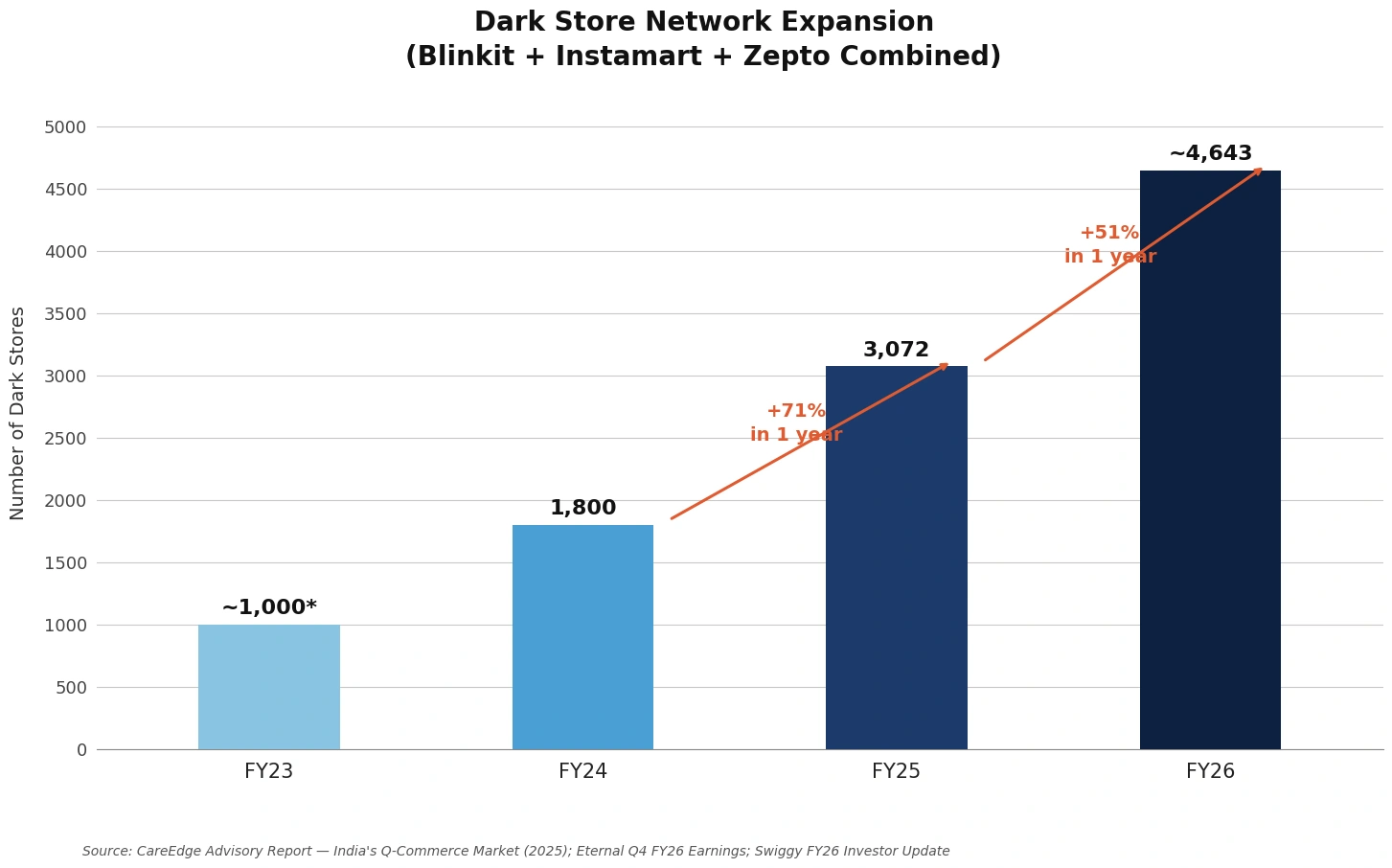
Note: To achieve operational unit-economic breakeven, individual dark stores must process a baseline minimum of 1,250 orders per day.(YourStory, April 2026 — “Inside Dark Stores: Blinkit, Zepto” )
The Real Business Model: Monetization via Retail Media
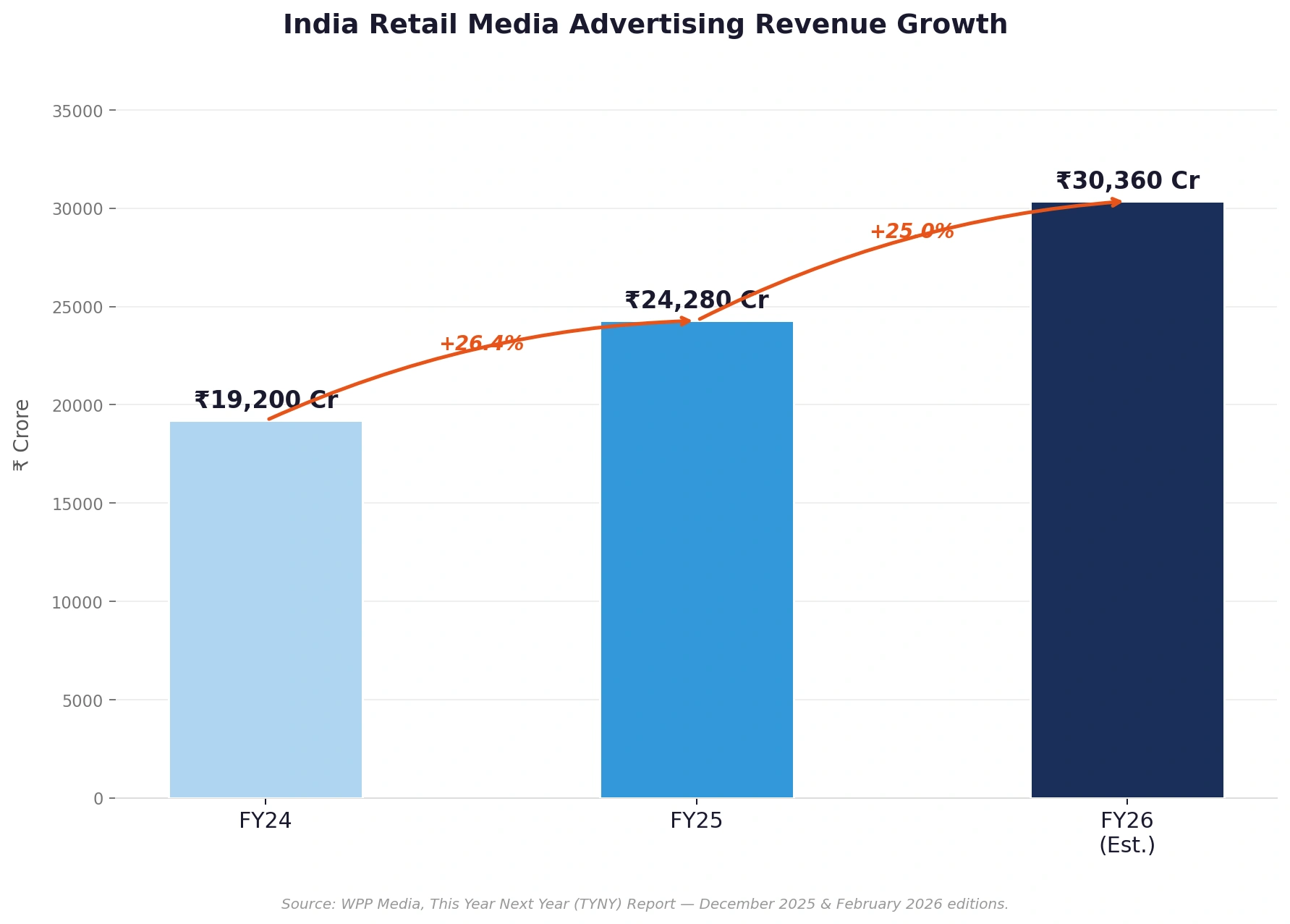
Delivery fees are visible. Profit is not and it does not come from delivery fees.The actual revenue engine is advertising. Brands pay for prominent placement at the top of search results, on category pages, and in product suggestions. These ads perform well because people on quick commerce platforms are not browsing, they already know what they want to buy.
Conclusion: Data as the Engine of Quick Commerce
More than a logistics story, quick commerce is a data story. What platforms like Blinkit, Zepto, and Swiggy Instamart have built runs on a continuous flow of consumer and operational data, and that data is what keeps the system working at this speed.
Data availability drives every critical decision in the quick commerce model. Dark store placement is determined by hyperlocal order density and residential mapping data, ensuring warehouses are never more than 2–3 km from high-demand clusters. Demand forecasting models are trained on millions of order records, time-of-day patterns, and seasonal signals,which allow platforms to eliminate stockout failures in real time. Consumer behavior data feeds the personalization engines that maximize cart value per session.
That underlying data capability is what separates quick commerce from every retail format before it. What started as a groceries app has grown into a platform delivering electronics, clothing, beauty products, gifts, and more. The growth from ₹850 crore in FY20 to a projected ₹1,02,000 crore by FY28 is a result of each part of the model strengthening the others.In quick commerce, more orders generate better data, better data improves forecasting, better forecasting enables faster delivery, and faster delivery brings more orders.
About MaxEd
MaxEd is one of South India’s leading market research and consulting firms, dedicated to delivering actionable intelligence that empowers businesses to make confident, data-driven decisions. With a deep understanding of regional markets and a commitment to research excellence, MaxEd bridges the gap between complex market dynamics and clear strategic direction. From consumer insights and brand analytics to competitive intelligence and business consulting, MaxEd offers end-to-end research solutions tailored to the unique needs of each client

