

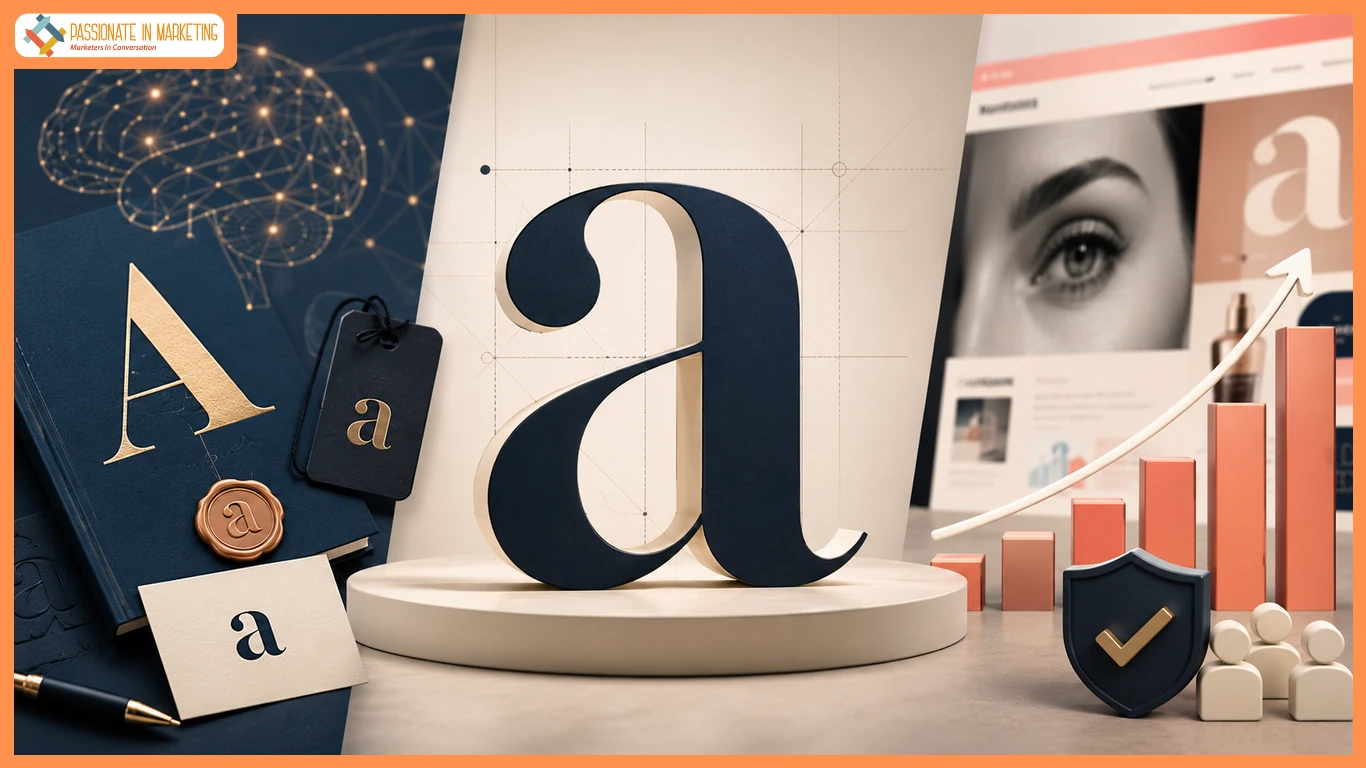
Typography influences how quickly people understand a message, whether they trust the brand, and how easily they remember it later. This guide explains how typography can improve brand recall, campaign performance, digital marketing assets, and customer trust.
Why Typography Matters in Marketing
Typography shapes the way people experience a brand before they fully process the message. Good typography helps people move from attention to understanding. That matters because many marketing interactions happen quickly. A user may scroll past a social ad in seconds, skim a landing page on mobile, or compare three insurance plans in a table.
Typography as part of brand memory
Brand memory depends on repeated, consistent cues. Color, logo, photography style, messaging, and typography all contribute to recognition. If every campaign uses different fonts, the brand becomes harder to remember.
Compare Free, Commercial, and Custom Fonts
Marketing teams often choose between free fonts, open-source fonts, commercial fonts, and custom typefaces. Each option can work, depending on budget, campaign scale, and brand goals.
| Font Option | Best For | Advantages | Risks |
| Free fonts | Small campaigns, early-stage brands, quick tests | Low cost and easy access | Overuse, unclear licenses, limited styles |
| Open-source fonts | Public projects, developer-friendly brands | Easy distribution and collaboration | Still requires license review |
| Commercial fonts | Brand campaigns, websites, ads, financial products | Better family depth, support, and licensing clarity | Requires budget and license tracking |
| Custom fonts | Large brands and long-term campaigns | Distinctive identity and ownership | Higher cost and longer development time |
Teams comparing professional type options can review independent foundries such as typetype.org when they need commercial fonts, variable fonts, or families that can be tested across landing pages, campaign creatives, brand systems, and digital products.
What to test before choosing a marketing font
Use real marketing content:
- campaign headlines
- offer descriptions
- pricing tables
- CTA buttons
- disclaimers
- social ad captions
- email copy
- testimonial blocks
A font that looks good in a poster may not work in a financial product table or a mobile lead form.
Understand Font Licensing Before Campaign Launch
| License Area | Marketing Use Case | What to Check |
| Desktop | Designers create campaign assets | Number of users and workstations |
| Webfont | Landing pages and brand websites | Domains, traffic, or pageview limits |
| App | Mobile apps or product interfaces | App embedding rights |
| Video | YouTube ads, reels, product videos | Video or broadcast rights |
| PDF / eBook | Reports, whitepapers, brochures | Embedding permissions |
| Social ads | Paid campaign creatives | Commercial advertising rights |
| Server use | Dynamic banners or personalized reports | Server-side generation rights |
| Logo use | Brand identity or campaign logo | Whether logo use is allowed |
| Modification | Custom wordmark or edited letters | Permission to alter and rename |
Licensing mistakes to avoid
Common mistakes include:
- using a personal-use font in a commercial campaign
- embedding a desktop font on a landing page without a web license
- using a font in a mobile app without app rights
- sending font files to agencies or vendors without permission
- assuming every free font allows commercial use
- using one license across multiple brands or clients
Learn From Custom Typeface Cases
Custom typefaces show how large brands use typography as part of a long-term marketing and product strategy. Not every company needs one, but these examples explain why typography can become a brand asset.
Airbnb Cereal
Airbnb Cereal is often discussed as a custom typeface created to support Airbnb’s brand and product experience. The lesson for marketers is that typography can connect advertising, search, booking flows, mobile screens, host tools, and brand storytelling.
Google Sans
Google Sans shows how a flexible brand typeface can support interfaces, product experiences, and marketing assets. Google’s brand appears across search, apps, ads, documentation, devices, and product pages, so typography needs to scale.
IBM Plex
IBM Plex is a good example of a broad type system. It includes styles such as Sans, Serif, Mono, and Condensed, which makes it useful across editorial content, product interfaces, code, reports, and brand communication.
Common Typography Mistakes in Marketing
Many typography mistakes happen because teams move fast. A campaign deadline is close, a landing page needs to go live, or a social media calendar needs assets quickly.
Common mistakes include:
- choosing a font only because it looks trendy
- using too many typefaces in one campaign
- making mobile body text too small
- using low contrast over images
- hiding disclaimers in unreadable text
- choosing weak numerals for prices or rates
- changing typography between ads and landing pages
Typography Checklist for Marketing Teams
Fast decision table
| If You Are Creating… | Start With… | Avoid… |
| Awareness campaign | Strong display plus readable body font | Style that hides the message |
| Lead generation landing page | Clear commercial webfont | Weak CTA hierarchy |
| Financial product page | Font with strong numerals | Unclear tables and small disclaimers |
| Brand refresh | Commercial or custom type system | Fonts without license clarity |
FAQ
Why is typography important in marketing?
Typography affects how quickly people read, understand, trust, and remember a marketing message. It supports brand recall, landing page clarity, advertising impact, and campaign consistency.
What fonts work best for marketing campaigns?
There is no single best font for every campaign. A strong campaign usually uses a readable primary typeface, a clear hierarchy, and sometimes a more expressive display font for headlines or short visual moments.
Can marketers use free fonts in ads?
Yes, but only if the license allows commercial advertising use. Marketers should check web, video, social, app, PDF, and modification rights before launching a campaign.
**’The opinions expressed in the article are solely the author’s and don’t reflect the opinions or beliefs of the portal’**

